
Training and careers
Working with your regular veterinarian
Referral letters, records and the acts of veterinary science you do not perform — how animal chiropractic stays in its lane beside the clinic that already has the file.
The archive
28 reported pieces for Australian dog and horse owners, written to the same veterinary-first standard.
Training and careers
Referral letters, records and the acts of veterinary science you do not perform — how animal chiropractic stays in its lane beside the clinic that already has the file.
Training and careers
The job is a primary professional degree, a postgraduate animal programme, a thin regional map, and a living that is mostly a vehicle. It is not a weekend qualification.

An owner's guide
Three plans that undo each other help no one. How a veterinarian, a veterinary physiotherapist and an animal chiropractor can share a file without competing for it.

An owner's guide
Most Australian animal chiropractic is a vehicle and a diary. What a travel levy buys, what it does not, and how to use a thin map without lowering the qualification test.
An owner's guide
A short list for the Facebook recommendation thread — training, veterinary relationship, what will happen, what it costs, and when they send you back to the clinic.
An owner's guide
History, gait, palpation, specific work, a letter home — what a first canine or equine visit looks like when it is run as a consult, not a surprise.
Signs and conditions
IVDD is a veterinary neurological emergency when the dog goes down. Manual therapy does not decompress a disc and should not delay imaging or surgery.
Signs and conditions
A dog that cannot rise, is dragging toes, or has suddenly lost bladder or bowel control needs a veterinarian now. This is not a chiropractic booking.
Signs and conditions
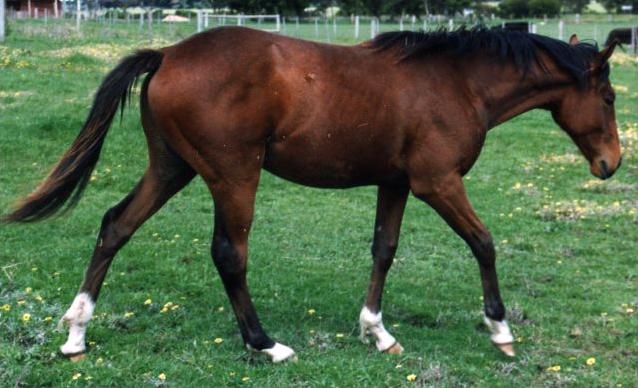
A horse that hollows or kicks at the girth may be sore, badly saddled or badly started. “Cold-backed” is a description, not a diagnosis, and it is not a behaviour problem until a veterinarian says so.
Signs and conditions
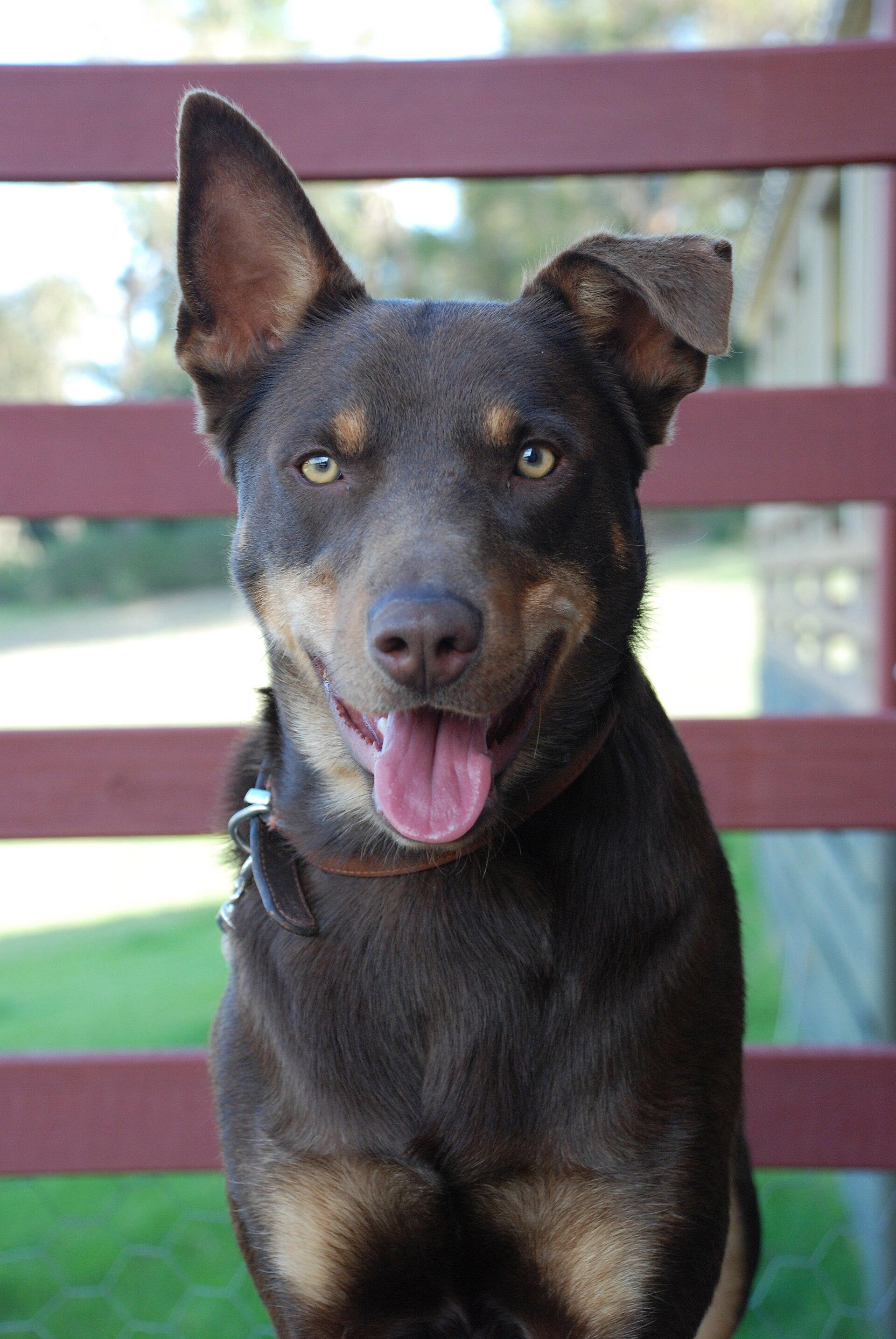
A yelp, a rigid neck and a dog that will not lower its head are veterinary presentations. Manual therapy, if it happens at all, comes after imaging and an all-clear.
Signs and conditions
One sore joint asks another to do the work. Why a limp is a veterinary problem first, and how compensation can outlast the original injury in dogs and horses.

Training and careers
The postgraduate pathway that used to sit at RMIT now includes Box Hill’s Graduate Diploma in Animal Biomechanical Medicine. What the courses are, and what they are not.
Qualifications and regulation
Diagnosis is an act of veterinary science. How Australian state acts, referral letters and adjunctive manual therapy are supposed to fit together.
Equine chiropractic
Feet, saddle and spine are one system on a working horse. The trades only help if they write to each other and leave diagnosis with the veterinarian.
Canine chiropractic
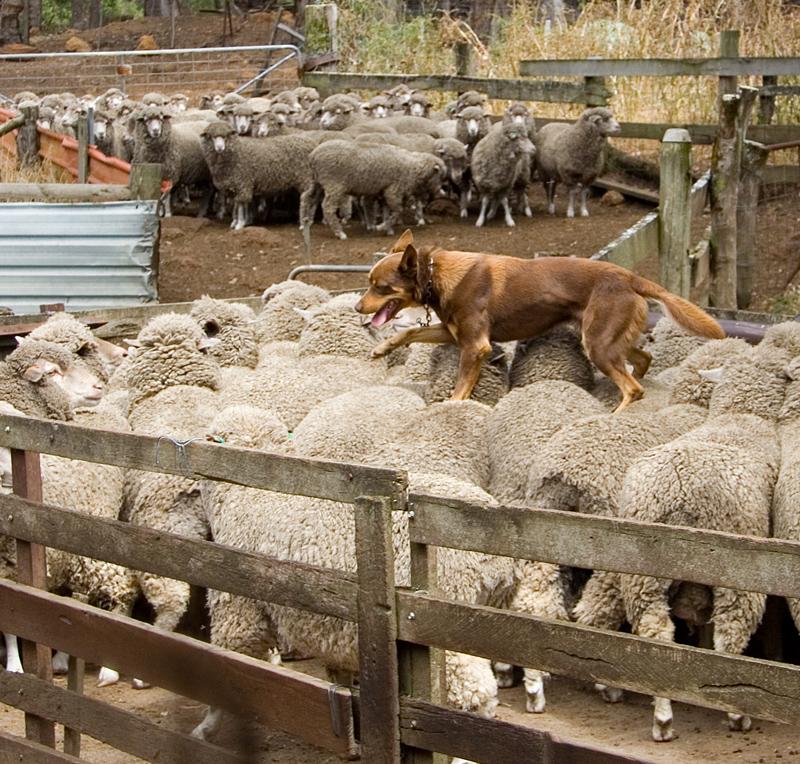
What to bring, how to handle the dog, and how to brief the practitioner so a first canine visit is a veterinary adjunct, not a surprise.
Equine chiropractic
A horse that has fallen, slipped or taken a heavy peck needs a veterinarian before any manual therapist. Neurological signs are an emergency, not a booking.
Canine chiropractic
Manual therapy after a TPLO, spinal operation or shoulder repair is a veterinary decision. It is not a shortcut back to work, and it is not a substitute for rehab.
Equine chiropractic
Thoroughbreds, eventers and dressage horses share a spine and do not share a week. Manual therapy follows the veterinarian and the discipline’s actual load.
Canine chiropractic
Older dogs with osteoarthritis are often presented for chiropractic care. The evidence is limited, the veterinarian owns pain relief, and gentle work is not a cure.
Equine chiropractic
A short stride, a refused lead and a saddle that will not sit are reasons to call the veterinarian. After that, a trained musculoskeletal look may be useful.
Qualifications and regulation
“Chiropractor” is a protected title for people. The Chiropractic Board does not regulate animals. How those two facts sit on an Australian website or a ute door.
Canine chiropractic
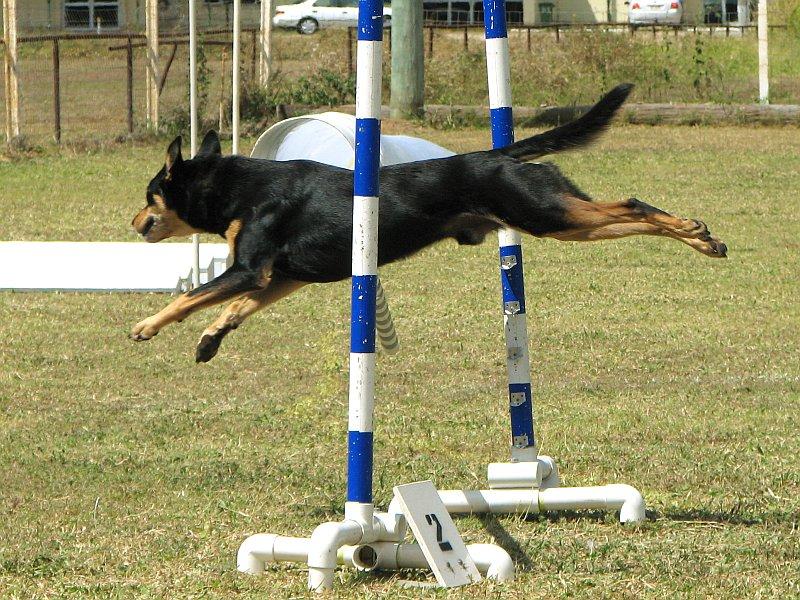
Kelpies, cattle dogs, agility dogs and retired greyhounds load the spine differently. Manual therapy is adjunctive, and the veterinarian still owns the season.
Equine chiropractic
A slipping saddle, a hollow back and a poor canter lead are related problems. Sort the veterinary causes and the saddle before you book a spinal visit.
Canine chiropractic
Gait changes, a refusal of the ute tray, and a neck that flinches are reasons to see a veterinarian first — then, sometimes, a trained animal chiropractor.
Equine chiropractic
A clear account of equine chiropractic in Australia — poll, wither and sacroiliac, the veterinary line, and why a cold back is not a booking on its own.
Canine chiropractic
A plain account of what animal chiropractic means for dogs in Australia, who is trained to offer it, and why a veterinarian still comes first.
Qualifications and regulation
Animal Biomechanical Professionals Australia is the successor to AVCA. It is a membership body, not a government licence, and the rest of the market is largely unregulated.
Qualifications and regulation
The practical test — ABPA membership, a primary degree, RMIT or Box Hill postgraduate training — and the questions that sort a trained clinician from a weekend badge.