People write to this domain asking how to become “an animal chiropractor.” The honest answer is longer than a Facebook comment and shorter than a myth. You first become a veterinarian, a registered chiropractor, or a registered osteopath. Then you complete a dedicated postgraduate animal programme. That is the only pathway Animal Biomechanical Professionals Australia treats as full membership. It is the pathway the 2007 brochure on this site already described, when the association was still the Australian Veterinary Chiropractic Association and the parchment said RMIT.
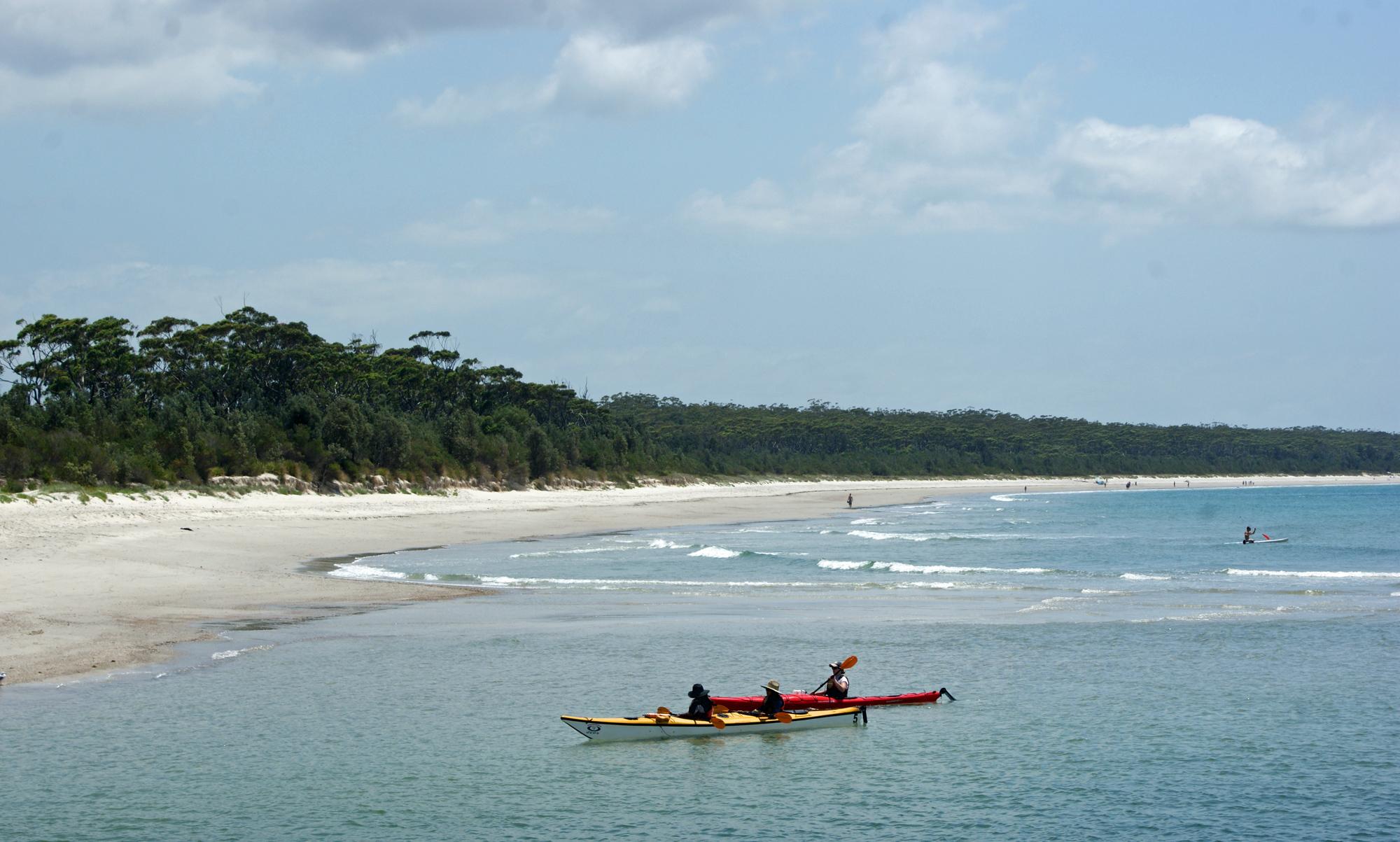
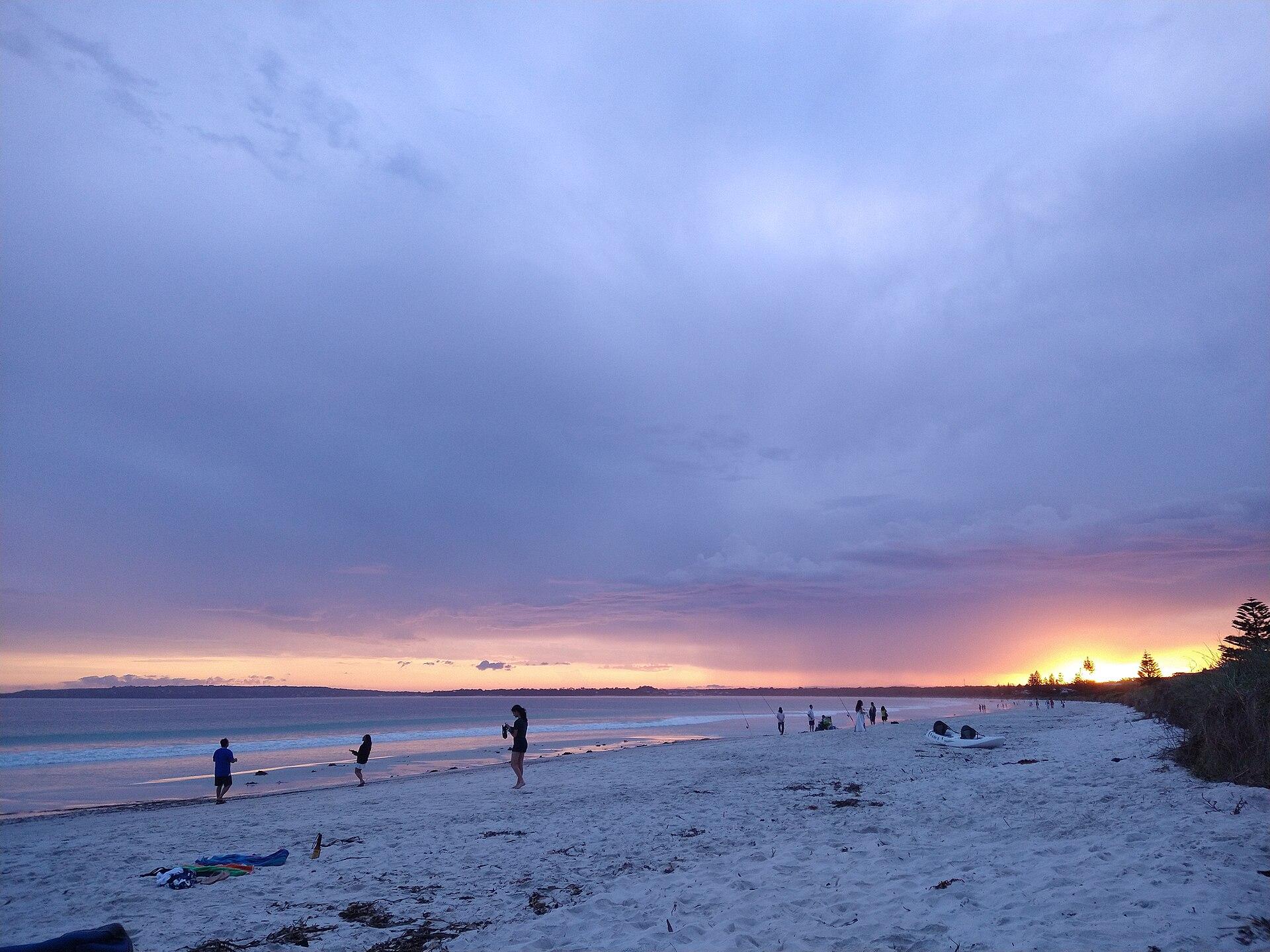
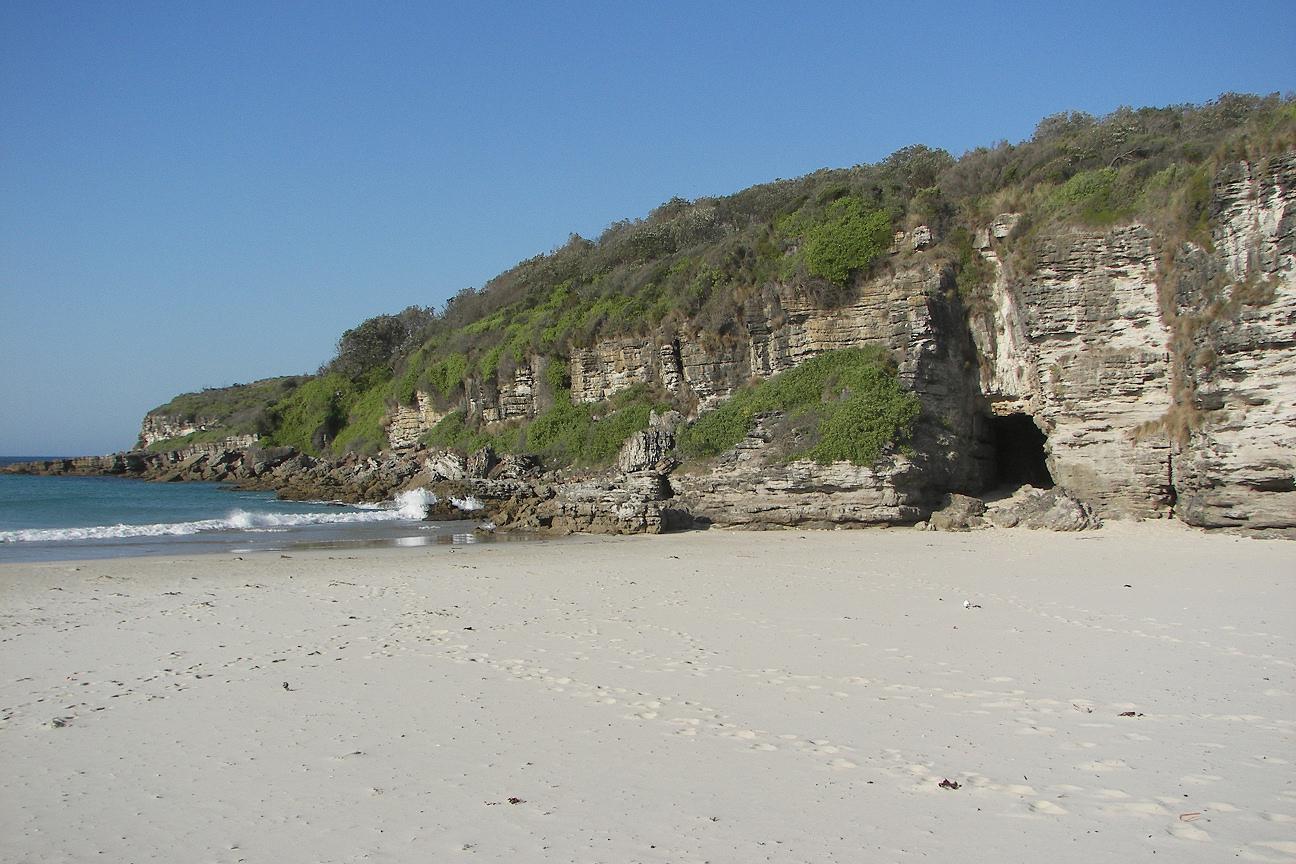
The beach in the photograph is Cave Beach, Booderee, Jervis Bay — the coastal country this masthead still writes from. The courses were never taught on that sand. They were taught in Melbourne, and the animals were real.
What RMIT used to be, in this field
RMIT University ran the Graduate Diploma in Animal Chiropractic and, for some graduates, a Master of Chiropractic Science (Animal Chiropractic). The programme sat in the chiropractic school’s orbit and took clinicians who already held a primary degree. Lara Rogers completed the graduate diploma in 2006 and then practised in Sydney and on the New South Wales south coast. That fact is history on an about page, not a present booking.
A generation of Australian practitioners still list RMIT after their name. When an owner checks a credential, that parchment is a known object. It is not, by itself, Ahpra specialist registration. The Chiropractic Board does not regulate animal practice and does not turn a graduate diploma into a protected animal title. Ahpra, protected titles, and the words animal chiropractor is that argument.
What Box Hill is now
The live taught pathway owners and prospective students now hear about is the Graduate Diploma in Animal Biomechanical Medicine, delivered through Box Hill Institute. The name change — from “animal chiropractic” toward “animal biomechanical medicine” — matches the association’s own shift from AVCA to ABPA. The student body is still supposed to be people who already practise as veterinarians, chiropractors or osteopaths.
Course handbooks move. Intakes move. If you are choosing a career, read the current handbook, the entry requirements, the clinical-hour expectations and the fee, not a journal essay. This page will not invent a semester date or a dollar figure we cannot document. It will say the obvious: it is a graduate diploma, not a weekend, and it sits on top of a primary professional degree.
Careers in animal chiropractic in Australia is the wider labour-market essay. Working with your regular veterinarian is what the training is for, if it is for anything useful.
What the programme is trying to teach
Not a new species of magic. Anatomy of the dog and the horse with a clinician’s bias toward the axial skeleton and the joints a rider or an owner will notice. Palpation. Handling. The difference between a finding and a diagnosis. The limits of the work. The politics of a yard that already has a farrier and a veterinarian. Some technique: hand and instrument, soft tissue, a professional habit of writing things down.
What it cannot teach, in a year or two, is to be a veterinarian if you are not one. Chiropractors and osteopaths who complete the diploma still live under state veterinary practice acts. Veterinarians who complete it still live under ordinary medical responsibility, including the humility to image a disc rather than feel one.
The published evidence the course can honestly claim for the techniques is limited. A serious programme says so. A sales page does not.
What the short courses are
The market is full of canine massage certificates, equine bodywork weekends, online spinal modules, and “animal adjuster” badges. Some are taught by decent people and make a groom or an owner safer around a sore animal. They are not the RMIT archive and they are not Box Hill’s graduate diploma. ABPA membership and unregulated manual therapists is the consumer version of that sentence.
If a course accepts a person with no primary clinical degree and issues a title that sounds like chiropractor, look at protected titles before you put the badge on a ute. The training hub exists to keep the long pathway and the short one from sharing a noun.
How much does the long pathway cost?
A primary professional degree is already a multi-year, multi-tens-of-thousands-of-dollars commitment — much more for veterinary science. The postgraduate animal programme is an additional graduate-diploma fee plus travel to Victorian teaching sites and to practical placements. We will not quote a current Box Hill fee here; fees move, and a stale number is a lie. Budget for time off ordinary practice. Budget for the fact that animal work, once you are trained, is often mobile and regional, with owner-reported visit fees that are modest compared with human private practice.
How to find a qualified animal chiropractor is what owners do with your parchment at the other end.
When is a course not enough?
When the animal in front of you is a surgical spine, an ataxic horse, or a dog that cannot rise. Training does not create a parallel emergency service. When the owner wants a miracle. When the veterinarian has not been called. When you are tired and the next property is an hour on a dirt road and the history is thin.
The Jervis Bay country in the photograph is where this domain first belonged to a graduate of the RMIT programme. The journal that sits here now will not pretend the course is still a booking number. It will keep naming the pathway, because Australian owners still deserve to know which qualification they have actually bought.