
Canine chiropractic
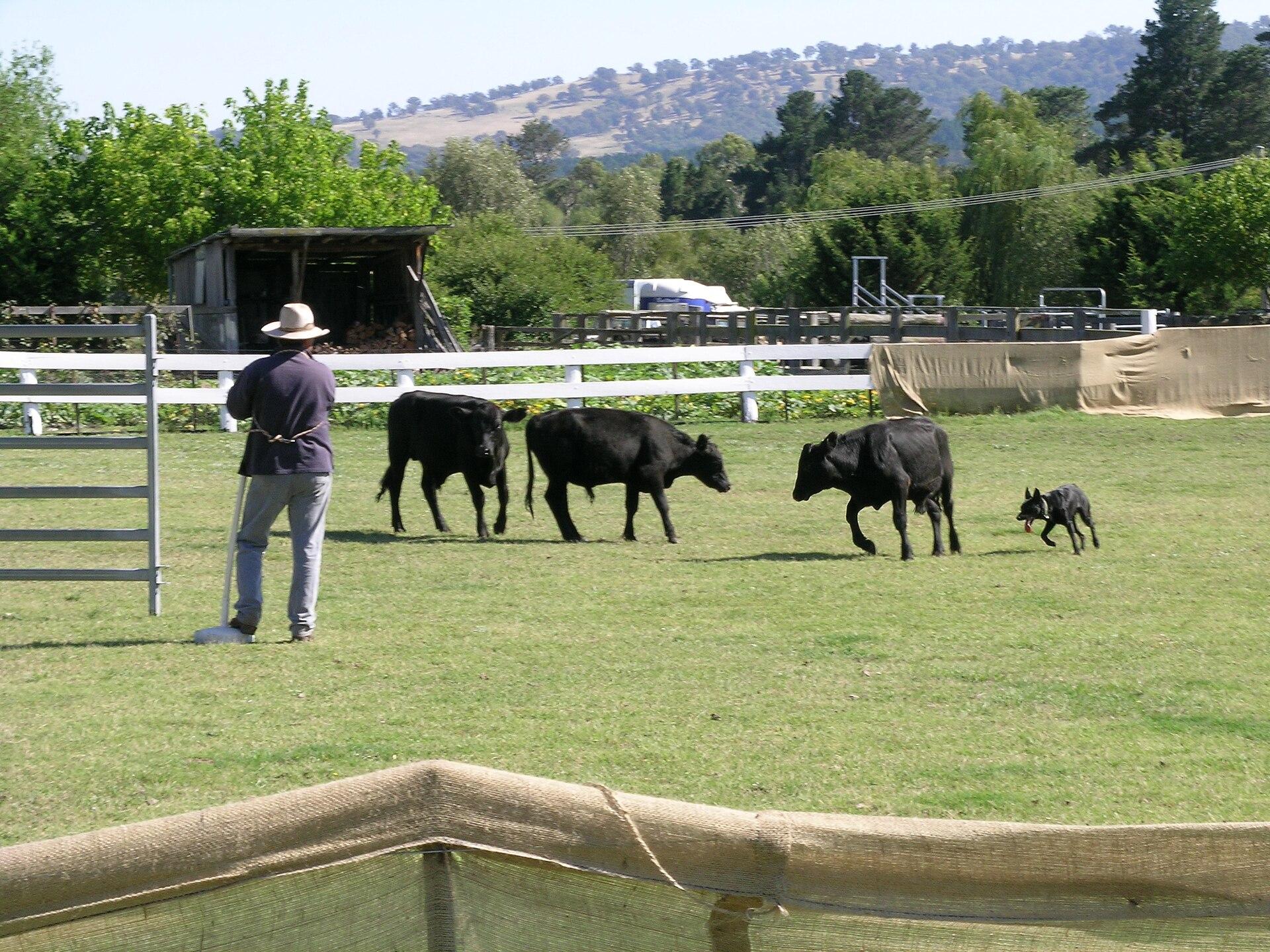
What Australian dog owners mean when they ask for a chiropractor — working kelpies, retired greyhounds, agility dogs, and the veterinary line you do not cross.
Lead essay
The practical test — ABPA membership, a primary degree, RMIT or Box Hill postgraduate training — and the questions that sort a trained clinician from a weekend badge.

Photo: North Perth Veterinary Clinic on Walcott Street, Mount Lawley. Orderinchaos / Wikimedia Commons, CC BY-SA 3.0. Original file. See the full list on the image credits page.
This journal reports on animal chiropractic and animal biomechanical medicine in Australia. It is not a clinic booking page and it is not a substitute for a registered veterinarian. If an animal is in pain, lame, collapsing, or suddenly incontinent, start with veterinary care.
Six desks, one field: dogs, horses, qualifications, the signs owners notice, what a visit actually involves, and how Australians train for the work.
What Australian dog owners mean when they ask for a chiropractor — working kelpies, retired greyhounds, agility dogs, and the veterinary line you do not cross.
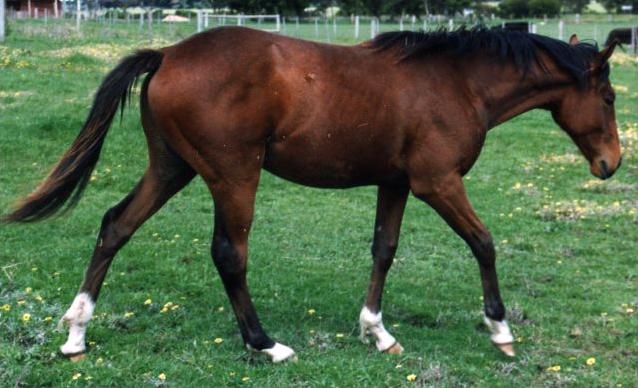
Performance horses, stock horses, and the cold-backed pony in the back paddock — how Australian equine chiropractic sits beside the vet, the farrier and the saddle fitter.
Who may call themselves an animal chiropractor in Australia, what ABPA membership means, and why the Chiropractic Board does not regulate the animal.
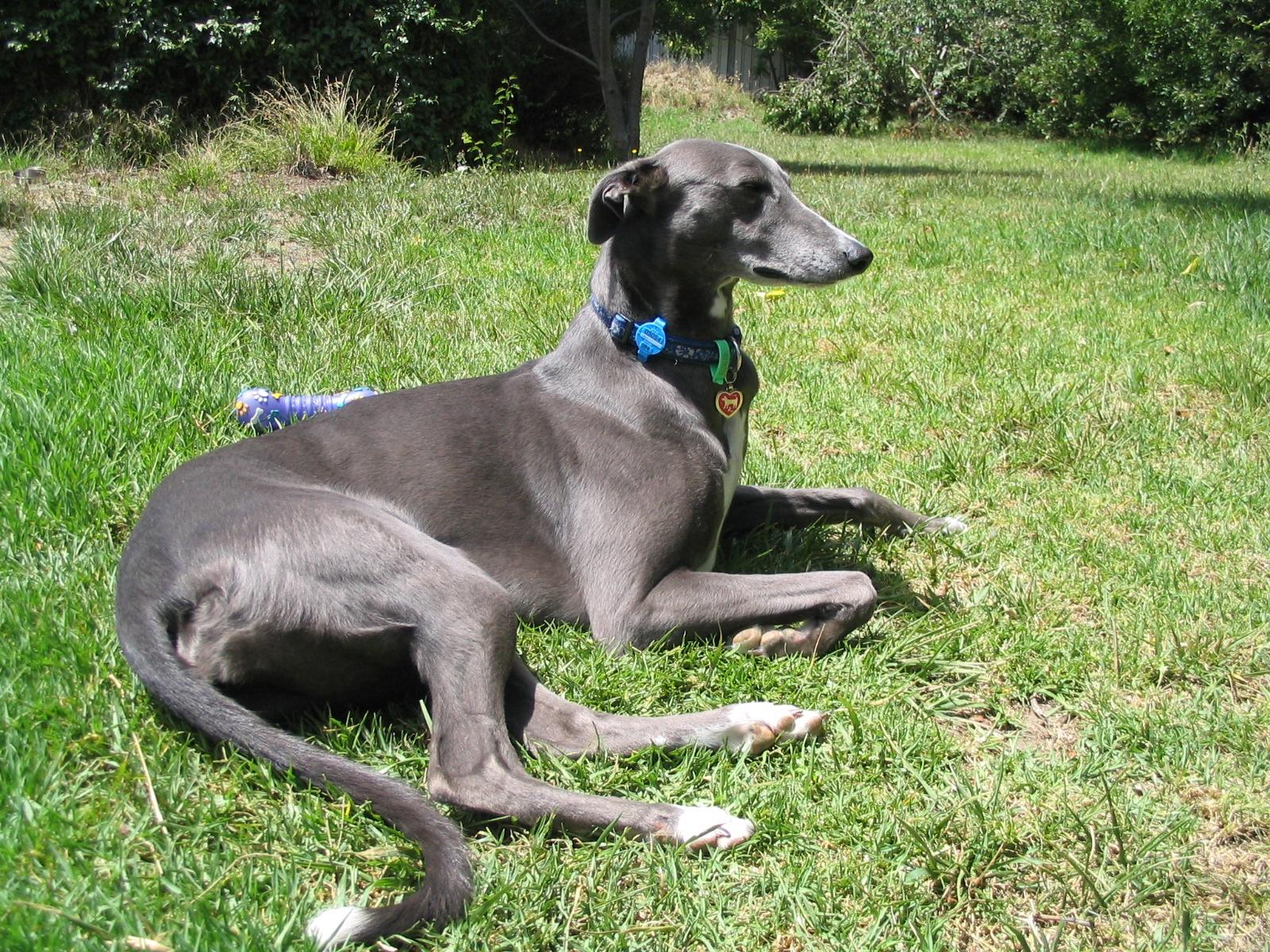
Lameness, stiffness, a cold back, a yanked neck — the presentations owners bring, and the ones that belong in an emergency clinic first.
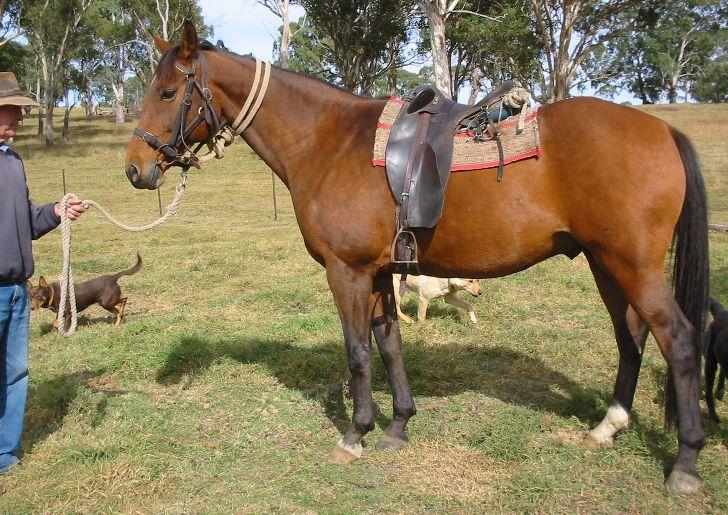
What the first visit looks like, what to ask before you book, and how mobile practitioners actually work in regional Australia.

The RMIT archive, the Box Hill graduate diploma, and how animal chiropractic sits beside a veterinarian’s ordinary week.
Referral letters, records and the acts of veterinary science you do not perform — how animal chiropractic stays in its lane beside the clinic that already has the file.
The job is a primary professional degree, a postgraduate animal programme, a thin regional map, and a living that is mostly a vehicle. It is not a weekend qualification.

Three plans that undo each other help no one. How a veterinarian, a veterinary physiotherapist and an animal chiropractor can share a file without competing for it.
Most Australian animal chiropractic is a vehicle and a diary. What a travel levy buys, what it does not, and how to use a thin map without lowering the qualification test.
A short list for the Facebook recommendation thread — training, veterinary relationship, what will happen, what it costs, and when they send you back to the clinic.
History, gait, palpation, specific work, a letter home — what a first canine or equine visit looks like when it is run as a consult, not a surprise.
The first public version of animalchiropractor.com.au, captured by the Wayback Machine in 2007, belonged to Lara Rogers — B.Sc., Master of Chiropractic, Graduate Diploma in Animal Chiropractic (RMIT). She treated dogs at a purpose-built clinic in Woollamia, near Huskisson, and travelled horses across the Illawarra and Shoalhaven: Nowra, Milton, Berry, Kiama, Kangaroo Valley, Wollongong. She was a member of the Australian Veterinary Chiropractic Association, the body that has since become Animal Biomechanical Professionals Australia.
The clinic is no longer the publisher. The field is. This site keeps faith with that original brief — drug-free musculoskeletal care for horses and dogs, offered only after veterinary assessment, by people who actually completed a postgraduate animal programme — and writes it as long-form journalism for Australian readers.
Read the history of the masthead, the editorial standards, or send a note through the contact desk.