Facebook will give you a name and a photo of a ute. A neighbour will give you a story about a horse that went better. A trainer will give you a number they have used for years and never checked. This page is the list we wish sat on every one of those threads. It belongs to the owner’s guide. The longer consumer test is how to find a qualified animal chiropractor in Australia. The photograph is a veterinary clinic in North Perth because the first question is still about that building.
1. What is your primary degree, and are you registered for it?
Veterinarian, registered chiropractor, or registered osteopath. Those are the three doors into the pathway ABPA treats as full membership. A massage diploma, a veterinary-nursing certificate, or “I’ve always been able to feel things” is a different marketplace. Say so, kindly, and decide whether that is what you meant to buy.
2. What postgraduate animal programme did you complete?
The known Australian objects are the RMIT Graduate Diploma or Master in animal chiropractic, and the Box Hill Graduate Diploma in Animal Biomechanical Medicine. RMIT, Box Hill, and animal biomechanical medicine training names them. A weekend badge is not a graduate diploma. If the person trained overseas, ask which university and whether ABPA recognises the pathway.
3. Are you on the ABPA directory, and may I check?
Membership is not a government licence. It is the successor to the old AVCA test that this domain printed in 2007. ABPA membership and unregulated manual therapists is the essay. A logo on a website is not a directory listing.
4. How do you work with my regular veterinarian?
The acceptable answers include a referral, a letter, and a willingness not to diagnose. The unacceptable answer is that veterinarians “block this work.” Veterinary referral and state practice acts is the legal furniture. Working with your regular veterinarian is the professional habit. If your animal has not seen a veterinarian for this problem, that is the first booking, not a detail.
5. What would you actually do on the day?
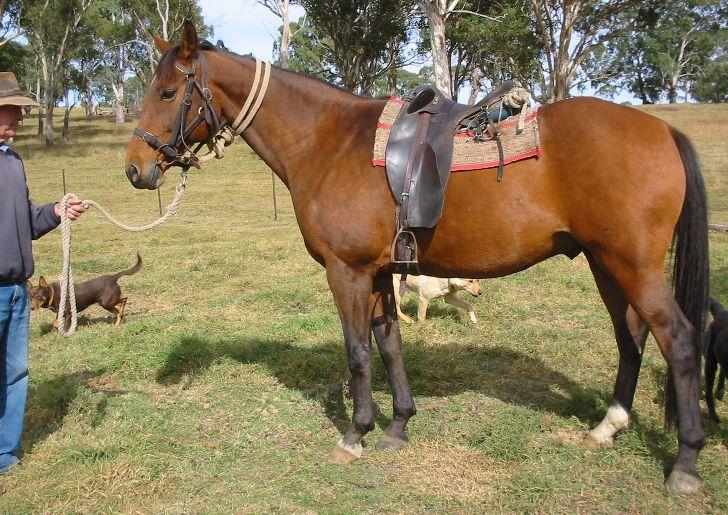
You want a picture of the first appointment: history, gait, palpation, specific work, a plan. You want to hear that a dog will not be yanked, and that a horse will be handled on a lead rope. You want to hear that a painful neck, a down dog, or an ataxic horse will be sent to a clinic, not “put in.”
If the answer is only “I find what is out and I put it back,” keep asking.
6. What would make you send me back to the clinic tonight?
Neurological deterioration. A dog that cannot rise. A horse that is ataxic. A wound that is not theirs. Pain that is not musculoskeletal. An owner who has been asked to stop prescribed medicine. If they cannot name those, they have not thought about the hour after they leave.
7. How much does it cost, and what is the travel levy?
Informal 2025–26 owner reports: about $90 to $180 for a dog in a room, $130 to $280 for a horse on a property, plus kilometres that can rival the consult in regional Australia. Mobile practitioners and regional Australia is the logistics. Ask whether several animals on the same road reduce the levy. Ask whether a package is expected. You can buy one visit.
These figures are estimates, not a quote from a living clinic, and they are not a quote from the 2014 Woollamia practice that once sat on this domain.
8. What do you say about evidence?
The published evidence for animal chiropractic is limited. A careful person will say that, and will still think their hands are useful. A sales page will not. The editorial standards are how this journal writes it. You are allowed to ask a practitioner to write it too.
Questions the species desks would add
For dogs: have you treated working kelpies, retired greyhounds, post-operative stifles? Read canine chiropractic and preparing your dog before the call. For horses: do you want the farrier’s and saddler’s names? Equine chiropractic and farriers, saddlers and animal chiropractors explain why.
For anyone: what does the Chiropractic Board FAQ mean for your advertising? “The Board doesn’t cover animals” is not a complete answer. Ahpra, protected titles, and the words animal chiropractor is the complete one.
What a useful answer sounds like in a regional town
A practitioner who already works the Hunter, the Darling Downs or the Illawarra will often answer faster than a city listing, because they are used to owners who have one clinic and a long driveway. They will tell you which Tuesday they are already on your road. They will tell you whether they want the horse caught and the dog in a quiet room. They will not be offended if you say you are also ringing the veterinarian in town.
A poor answer, anywhere, is a rush. “I can squeeze you in tonight” on a horse that slipped this afternoon is not availability. It is a reason to stay with the clinic. A poor answer is also a vagueness about money until they are already on the property. Write the levy down before they start the car.
If you are choosing between two people who both pass the qualification test, prefer the one your veterinarian already writes to. The owner’s guide is a set of habits, not a ranking of hands.
When should I not book, even if the answers are tidy?
When the animal is an emergency — incontinence and spinal pain, after a fall, a hunched dachshund, a non-weight-bearing limb. When you cannot afford the veterinary work-up and are hoping this will replace it. When the only available person fails the qualification questions and you are tired of looking. Doing nothing until a trained person is on the road is still a decision.
A booking is a contract about hands, not about hope. Eight questions will not make a thin qualification thicker. They will stop you buying a noun the law already assigned to someone else, and they will give your veterinarian a colleague rather than a rumour. That is enough work for a phone call. The rest of the work is the hour, and the clinic you should already have used.