If the dog cannot rise, is dragging toes, or has suddenly lost bladder or bowel control, this hub is the wrong place to linger. Call the clinic that already knows the animal, or the emergency centre that is open. Manual therapy is adjunctive. It is not an emergency service. It is not a way to “wake the nerves up” in a driveway in Ballarat or a laundry in Wollongong.
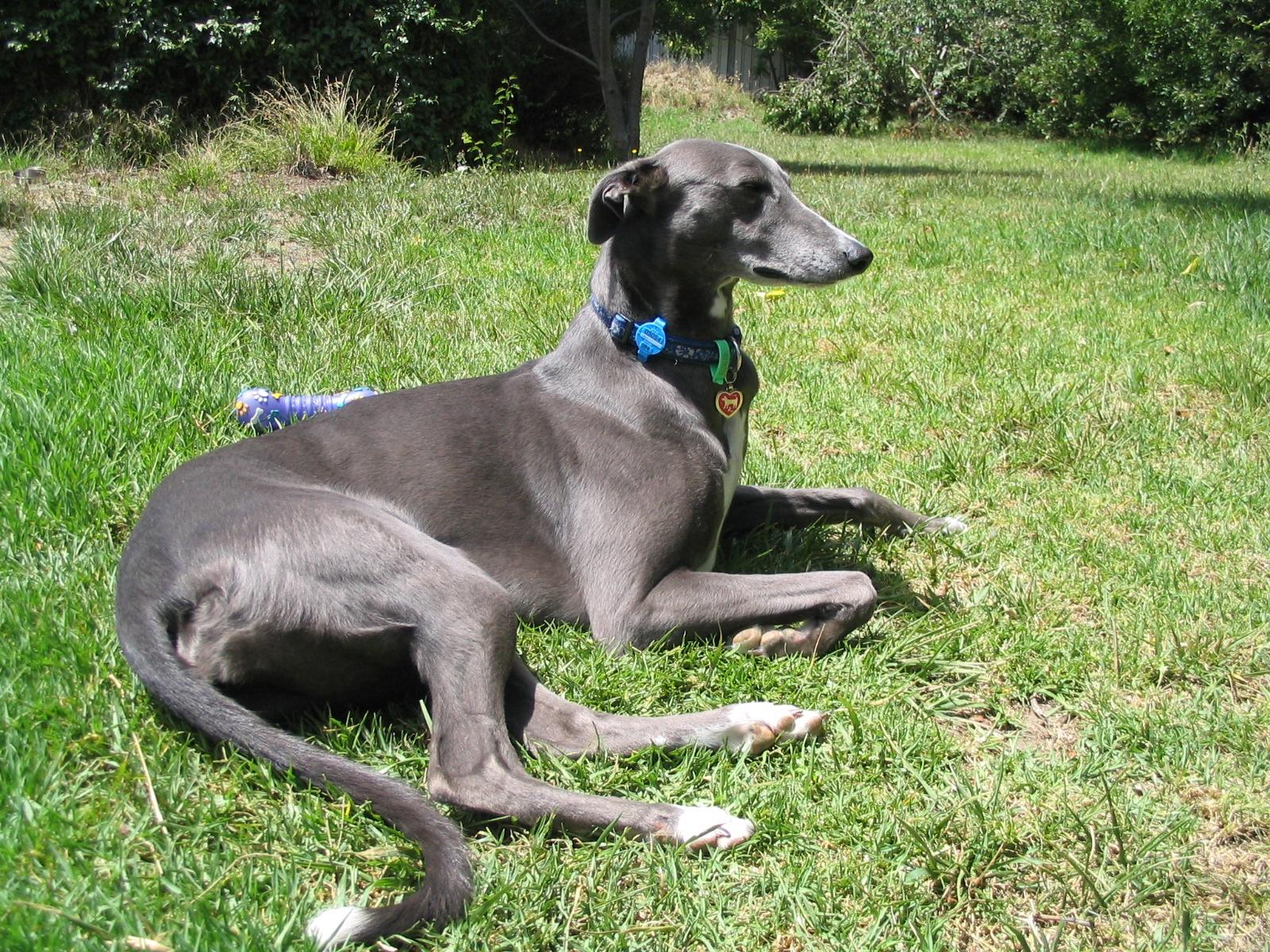
We run this essay on the conditions desk so the sentence is not buried under a wellness paragraph. The photograph is a retired greyhound at rest. Long-backed dogs are over-represented in spinal emergencies. They are not the only patients.
What “incontinence” means in this story
A puddle where the dog was lying, without the ordinary request to go out. Dribbling on the walk. A tail that is flaccid and a back end that is wet. Faecal incontinence — soiling without the ordinary posture — in the same hour as pain or weakness. These are neurological or severe pain signs until a veterinarian sorts them.
They are not the same as a senior bitch with a chronic, quiet leak when she sleeps, or a dog that urinated in the house because it could not get down the steps. Those still deserve a veterinary appointment. They do not always deserve a night-time dash. The pairing that does is incontinence plus spinal pain, plus a change in the ability to walk.
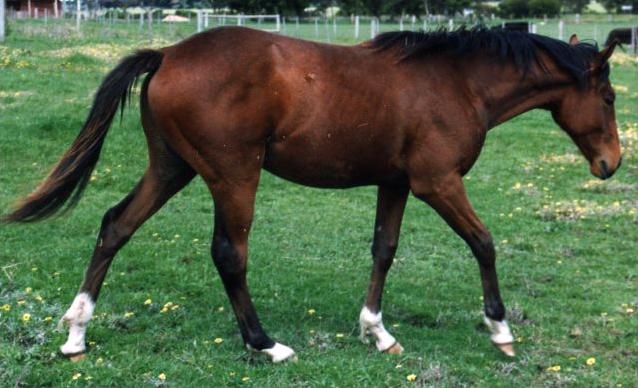
Horses have their own version: a horse that cannot rise after a fall, or that is ataxic and dribbling, is an emergency. After a fall or slip, vet first is that page. Do not import a canine chiropractic conversation onto a recumbent horse.
Why people still search for a chiropractor
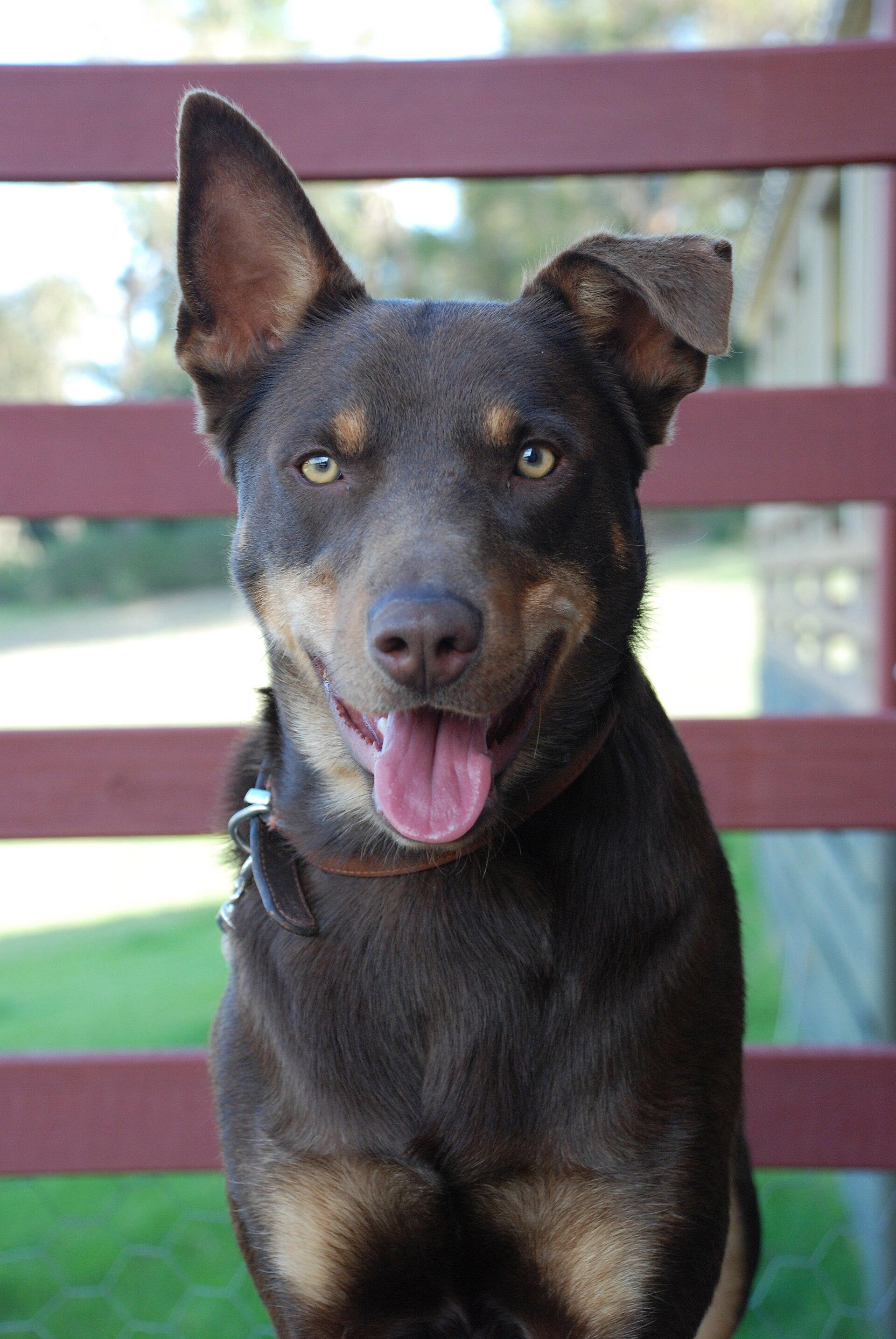
Because the back looks like the problem, and the word is in the search bar. Because a neighbour had a dog “put back in” and it walked. Because emergency after-hours fees are frightening. Because the dog is a working kelpie and there is a trial on Saturday.
None of those is a reason. A dachshund, French bulldog or other chondrodystrophic breed that has gone hunched and then weak is in the intervertebral disc disease corridor. Time matters. Imaging and, where it is indicated, surgery have a clock. A manual treatment on an unstable or compressed spinal cord is how a bad night becomes a worse one.
Neck pain after play or a collar yank is the cervical cousin. The same rule applies: neurology first.
What the veterinarian is trying to save
Pain control. The spinal cord. The bladder, which can become dangerously full if the dog cannot empty it. The difference between a dog that will walk again and a dog that will not. They will do a neurological examination, localise the lesion if they can, and talk about rest, referral, imaging, surgery, or — sometimes — a palliative plan if the owner and the animal are at that point.
That conversation belongs to them. A trained animal chiropractor, even one with an RMIT or Box Hill postgraduate qualification and ABPA membership, should be sending you to that conversation, not offering to replace it. The Chiropractic Board does not regulate animals and does not create an emergency exemption. Veterinary referral and state practice acts is the statute.
What you do before the car
Confine the dog. Do not let it hop down the back steps. A towel under the hips, if the dog is used to you, can help it toilet or move without scrambling; if you have never used a sling, the clinic can tell you over the phone. Do not stretch, hang, or “align” anything. Do not give leftover human painkillers. Do not wait to see whether the next puddle is smaller.
If you are in a regional place — Hay, Roma, a property off the Newell — and the clinic is an hour away, start the hour. Mobile practitioners and regional Australia is about planned visits, not this night.
Where manual therapy might sit much later
Some dogs recover, or partly recover, and are left with a stiff back, a compensatory gait, a life on a lead. After the neurologist or the surgeon or the regular veterinarian has said the spine is stable, a musculoskeletal look can be rational. That is the world of after veterinary surgery and senior dogs, arthritis and manual therapy. It is not tonight.
The evidence that chiropractic restores continence or reverses paralysis is not a thing this journal will pretend exists. If a website says otherwise, treat the website as a reason to keep driving to the clinic.
How much does waiting cost?
An emergency consult in an Australian capital can already be several hundred dollars before imaging. A regional after-hours call-out is its own invoice. A canine chiropractic visit is often $90 to $180. The false economy is obvious. The real cost of waiting is a bladder, a cord, a dog.
When should I still go, even if I am not sure?
If you are asking the question, go. A false alarm is a cheap neurological examination. A missed disc is not. The canine chiropractic hub will still be here in the morning for the dogs that are stiff, not down. How to find a qualified animal chiropractor is a weekday essay.
This domain once belonged to a clinic that saw dogs at Woollamia by appointment. It did not hold itself out as an emergency spinal service. Neither do we. If the back end has failed and the floor is wet, you already know the number to call, and it is not a journalist’s.