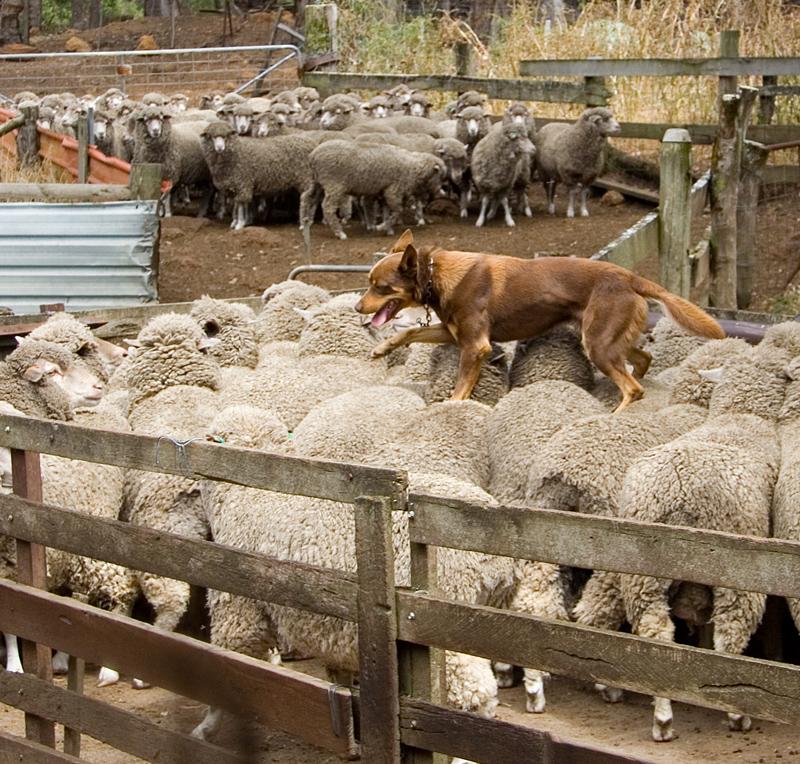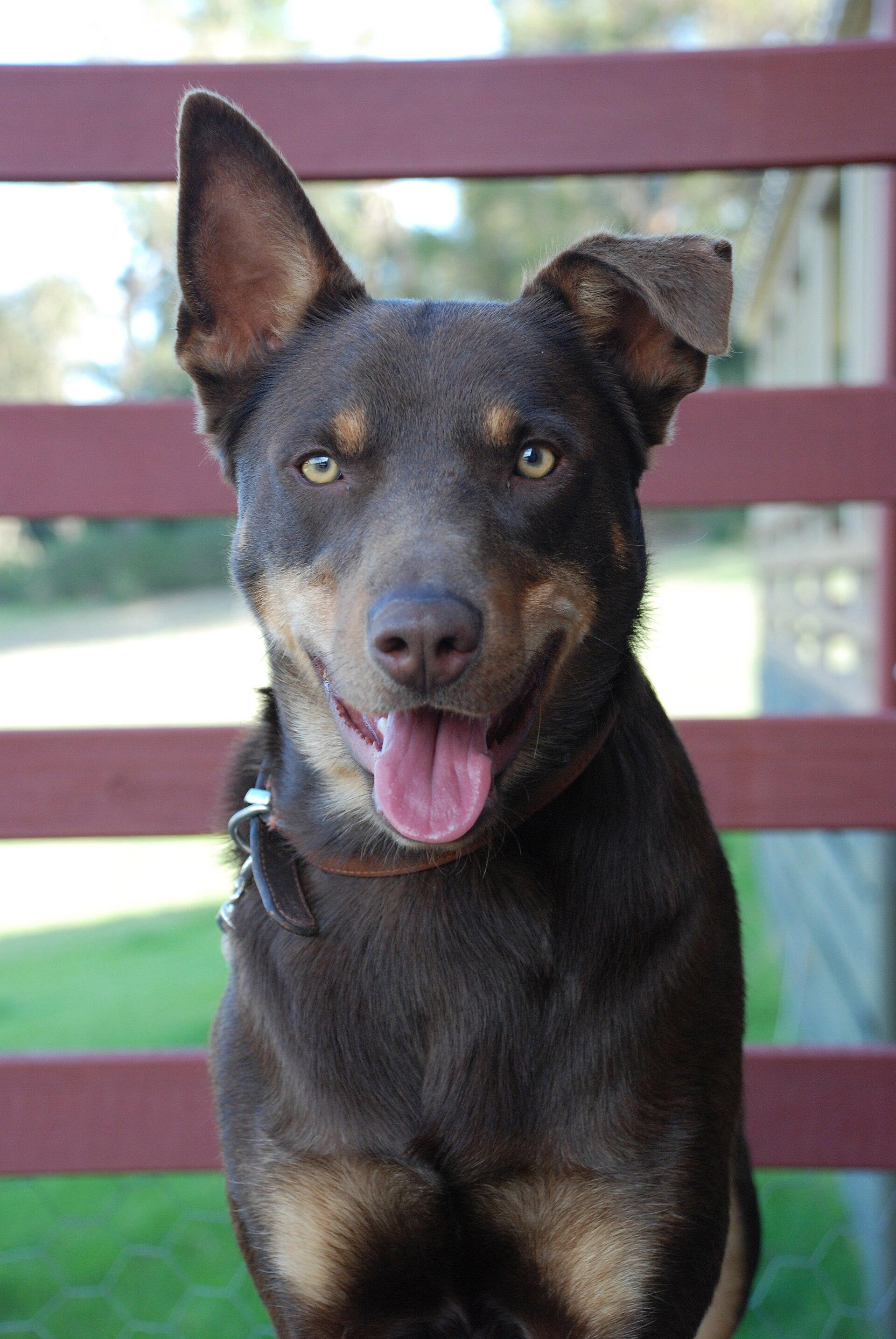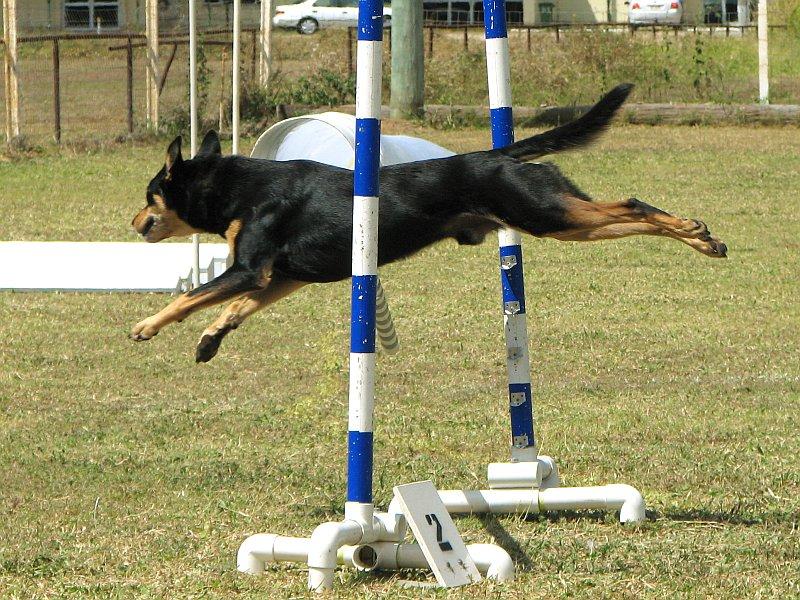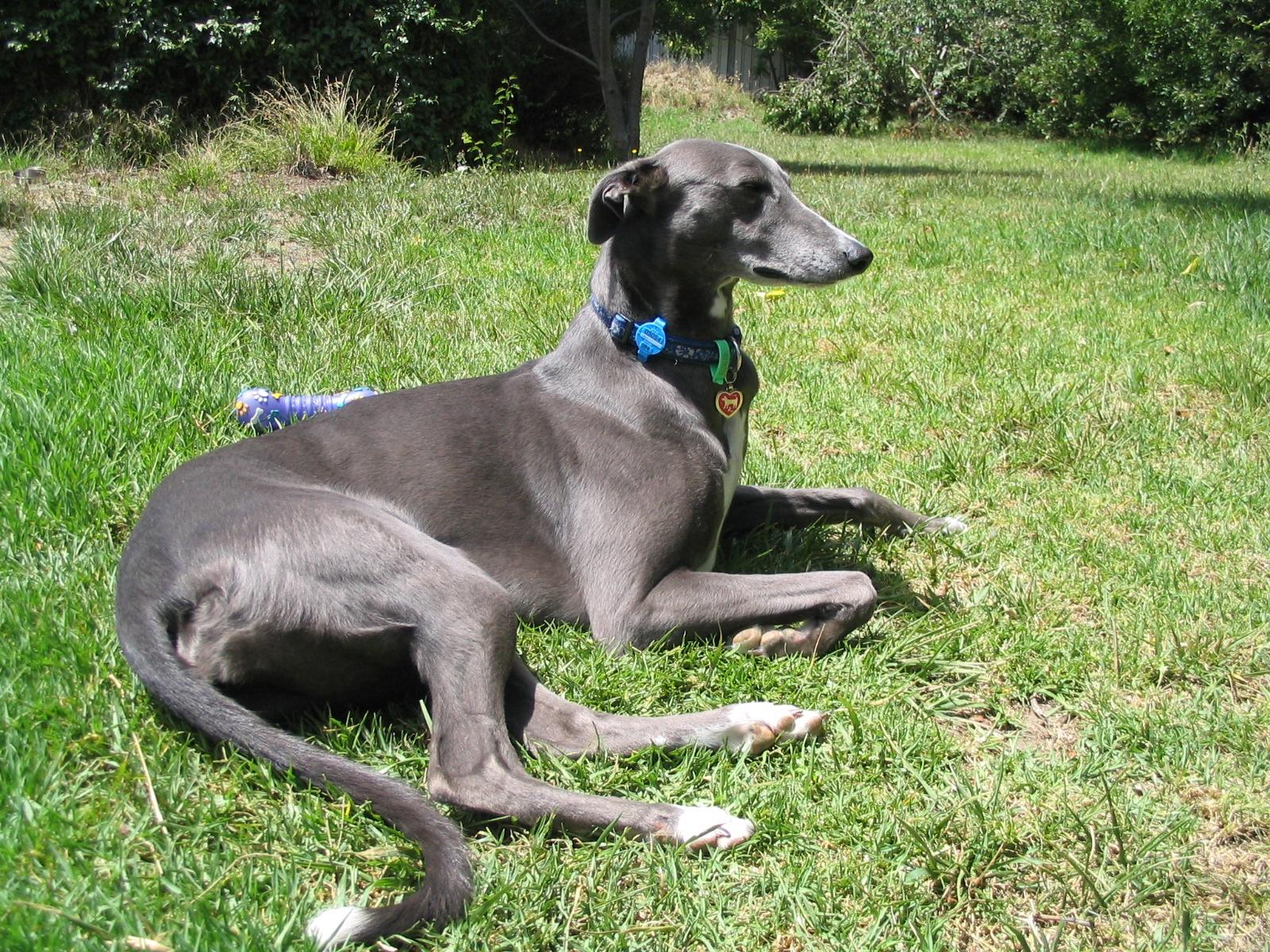
The photograph is a retired racing greyhound at rest. A lot of the post-operative mail we get is the same silhouette: a long dog, a long lumbar spine, a history of a hock, a stopper, a toe, or a spinal episode, and an owner who has already paid a specialist invoice. The other half of the mail is cruciate dogs — TPLOs and TTA-type repairs in labradors, kelpies and staffies — and the occasional cervical or lumbosacral surgery.
Owners want to know where a chiropractor fits. The short answer is: after the veterinarian who did the operation, or the one who is running the rehab, has said it is reasonable. The longer answer is this essay.
Surgery changes the calendar, not the temptation
A restricted-exercise protocol is boring. A lead walk down a Newtown footpath or a farm track at walking pace for six weeks does not feel like “doing something.” A mobile practitioner who will come to the house and “get the back moving” feels like progress. Sometimes, later, it is. In the first weeks it is often a way to load a repair the surgeon did not want loaded.
Bone healing, implant protection and a surgical wound do not negotiate with a biomechanical rationale. If the discharge sheet says no off-lead, no stairs, no jumping the ute, that sheet wins. An animal chiropractor who argues with it is telling you who they are.
The canine chiropractic hub is written for dogs that are not in a cone. This page is for the ones that still are, or just came out of one.
What “after surgery” actually means
There is more than one operation.
A tibial plateau levelling osteotomy or a similar cruciate repair is a common Australian suburban surgery. The stifle is the site. The spine and the opposite hip often take the compensation — the dog has been lame for months, then it is suddenly asked to walk in a straight line on a lead. Once the surgeon is happy with the bone and the wound, a musculoskeletal look at how the dog is using the back and the other limbs can be rational. Cracking the operated stifle is not.
Spinal surgery — a disc, a lumbosacral decompression — is a different risk class. The person who operated has opinions about manipulation near that corridor. Many will say no for a long time, or forever, and yes to gentle physiotherapy. That is not conservatism for its own sake. A second insult to a surgical spine is how dogs come back through the emergency door. Intervertebral disc disease is the essay we run so nobody treats a surgical spine as a weekend adjustment.
Shoulder, elbow and hock surgery in working and sporting dogs sits closer to the cruciate pattern: protect the site, manage the rest of the dog, talk about sport later than the owner wants. Retired greys with old race repairs often never had a formal rehab. Their “after surgery” is years later, and it looks like stiffness and a bunny-hop. Have a veterinarian look before anyone names it a back.
Where a trained animal chiropractor may help
Compensation is the honest word. A dog that has protected one limb for a season will often hold the thoracolumbar junction, the pelvis or the neck in a way that outlasts the incision. A practitioner with a veterinary, chiropractic or osteopathy degree plus a postgraduate animal programme — the ABPA full-member pathway — can assess that pattern and, if the surgeon agrees, use specific, low-drama techniques away from the repair.
They can also write a letter. That sounds dull. It is how combining vet care, physio and animal biomechanical medicine actually works: one file, not three stories. Working with your regular veterinarian is the same point from the training desk.
What they cannot do is clear the dog for agility, yard work or a return to the paddock. Clearance is veterinary.
What the evidence will not stretch to
There is no high-quality trial that shows chiropractic shortens canine post-operative recovery. There is a larger physiotherapy literature on controlled exercise, hydrotherapy and pain. If you have access to a veterinary physiotherapist — more common in Melbourne, Sydney and Brisbane than in a town on the Newell — that is often the better first adjunct. Manual therapy can sit beside it. It is not a superior alternative because it makes a noise.
Owner-reported “he was so much better after” is still owner-reported. It is allowed to matter to you. It is not a reason to abandon the surgeon’s week-six radiograph.
How much does it cost, on top of the surgery?
The surgery has already been the expensive line. Informal 2025 figures for a canine chiropractic visit sit around $90 to $180, plus travel. A course of veterinary physiotherapy is often more. Budget is a reason to choose one adjunct well, not to collect three. Ask the surgeon which pair of hands they already trust. How to find a qualified animal chiropractor is the consumer test if they do not have a name.
When should I stop, or not start?
Do not start if the wound is angry, if the dog is febrile, if the operated limb is suddenly more swollen, or if the surgeon has not been asked. Stop if the dog loses function it had yesterday — a hind end that was walking and is now knuckling, a neck that was comfortable and is now guarded. Those are clinic days, described in signs your dog may need a musculoskeletal assessment only after the emergency is ruled out.
Stop if the practitioner wants to adjust the surgical site against advice, or wants you to discontinue pain relief so they can “feel the true problem.” The true problem is a healing osteotomy or a surgical spine. Feeling it without analgesia is not a virtue.
Greyhounds, kelpies and the suburban labrador all come back to work on a calendar the bone sets. The old Shoalhaven practice that once sat on this domain saw dogs at a clinic in Woollamia, not in a paddock the week after an operation. That still reads as the right instinct. The table can wait. The veterinarian cannot.