The first sentence owners bring is almost never anatomical. It is “he will not get on the ute,” “she bunny-hops after the ball,” or “he screams when I pick up the lead.” Those sentences are useful. They are not a diagnosis. The job of this essay is to sort the ones that belong in an emergency clinic from the ones that, after a veterinarian has looked, might reasonably sit with a musculoskeletal assessment.
What owners actually notice
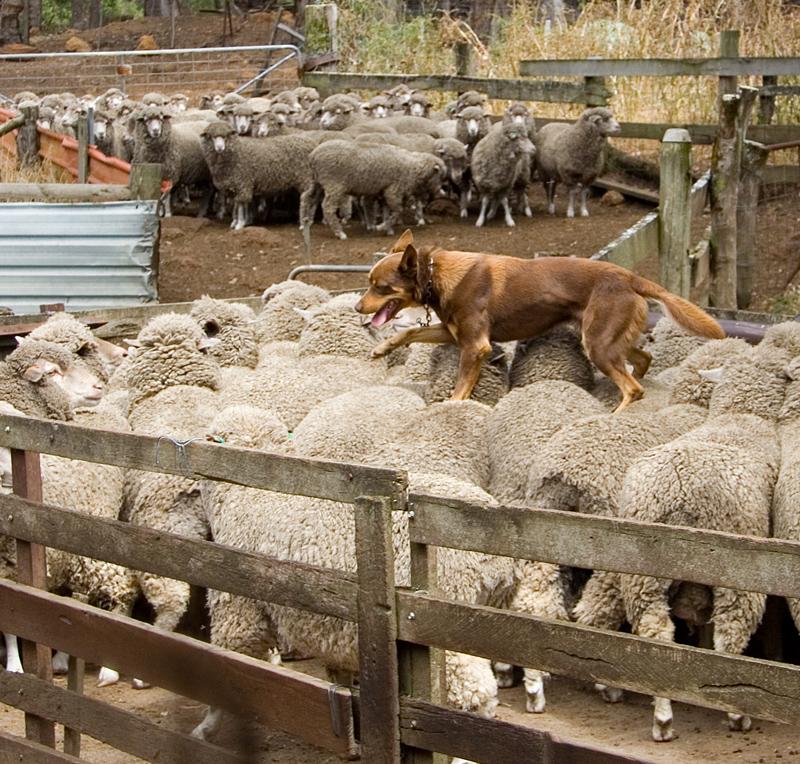
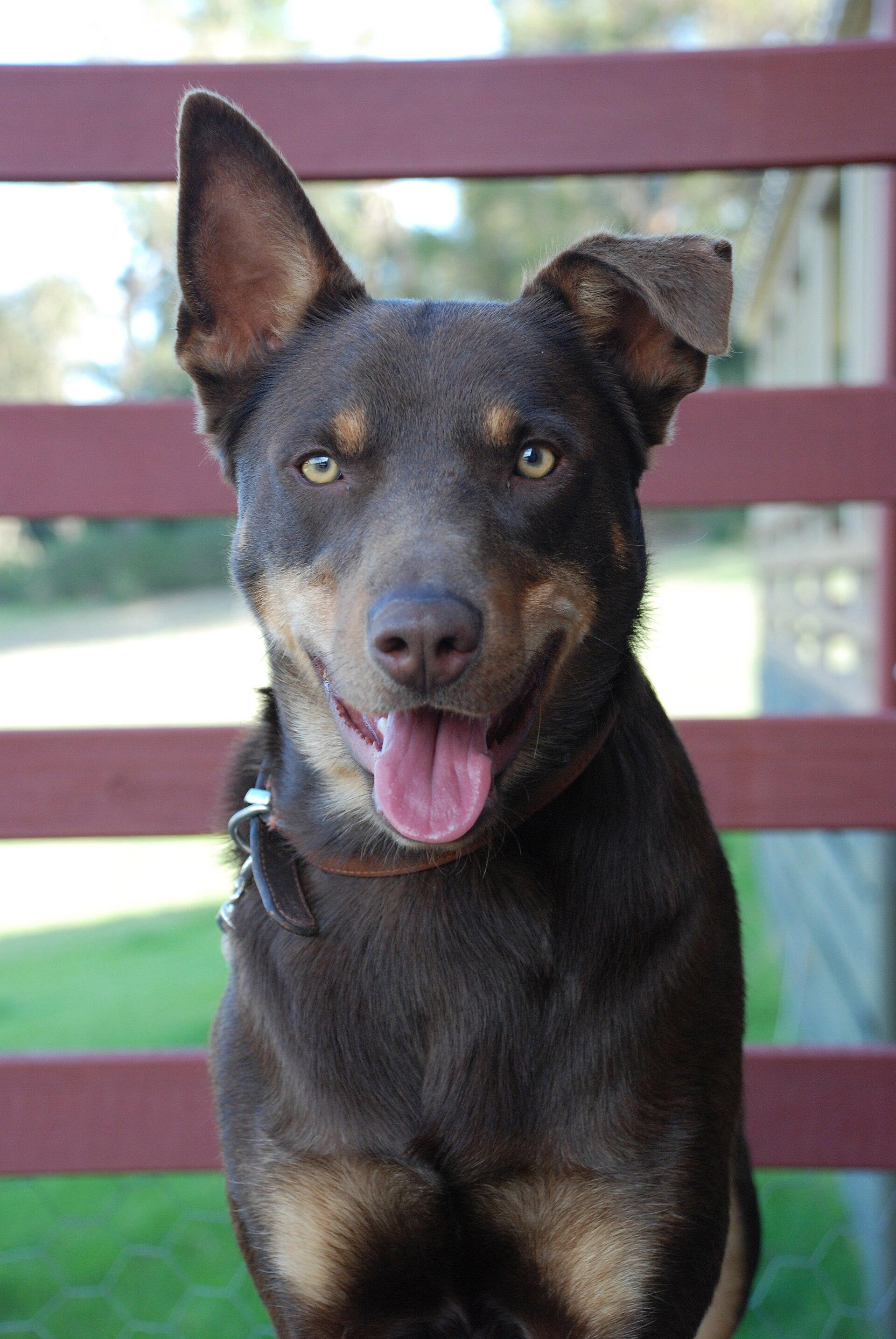
Working dogs tell you first. A kelpie that used to walk the backs of sheep in a Warwick or Hay yards and now takes the long way around the race is not being stubborn. An Australian cattle dog that once leapt the tailgate at a saleyard and now waits to be lifted is offering you data. So is the suburban staffy that used to barge the back steps and now takes them one at a time, and the retired greyhound that bunny-hops out of the crate after a night on a hard floor.
Look at the ordinary day, not the show ring. Does the dog hesitate on the first few strides after a sleep? Does one hind leg swing wide on the trot down the driveway? Does the neck stiffen when the collar tightens at the gate? Does the dog sit with one hip slung out, or refuse to lie on a particular side? Has the coat over the lumbar spine started to look licked or thin? None of those signs names a joint. Together they say: something in the moving parts has changed.
Sporting dogs add their own vocabulary. An agility kelpie that starts dropping bars with the hind end, a flyball dog that no longer wants the box, a herding-trial dog that loses the gather on the off side — those are load changes. They still start at the veterinarian. The canine chiropractic hub is the map for what comes after.
Signs that are not a wait-and-see
Some presentations are not “book someone next Thursday.” A dog that cannot rise, is collapsing in the hind end, is knuckling or dragging the toes, or has suddenly lost bladder or bowel control is a veterinary emergency. We wrote incontinence and spinal pain so that sentence is not buried in a wellness paragraph.
A dachshund, French bulldog or other chondrodystrophic breed that cries out, goes hunched and then paresis follows is in the intervertebral disc disease corridor until a veterinarian says it is not. Manual therapy is not the first move. See intervertebral disc disease and why chiropractic is not a substitute.
A neck that went wrong after a slip on wet tiles, a collision in the park, or a hard yank on a check chain is another category. If there is any neurological change — wobbliness, a head tilt that is new, a forelimb that will not bear weight — go to the clinic, not to a Facebook recommendation. Neck pain after play or a collar yank is the longer account.
Fever, a hot swollen joint, a wound, a dog that will not eat, or a sudden belly that looks tight are not musculoskeletal essays at all. They are veterinary medicine.
Compensation is the word you will hear
Practitioners talk about compensation when one sore structure asks another to do the work. A mild left hock problem can become a right lumbar tightness because the dog has been loading the opposite diagonal for a month. A stiff neck can look like a forelimb limp. An old cruciate on one side can leave the dog with a thoracolumbar bend that outlasts the original surgery.
That is why a limp is not a licence to “just crack the back.” The useful sequence is: veterinarian first, then a person who can watch the whole dog and write down what they think they are treating. Limping, stiffness and compensation patterns is the essay for that idea. What canine chiropractic actually is is the definition if you are still deciding whether the word applies.
Compensation is also why a single visit can disappoint. If the primary problem is a torn ligament or a fragment in a joint, no amount of skilled palpation will make the compensatory muscle let go for good. The muscle is doing a job.
How a veterinarian sorts the same signs
A good small-animal clinician in Ballarat, Toowoomba or the Illawarra will do the unfashionable things: watch the dog walk, put it on a table, feel the neck, the spine, the hips, the stifles, the hocks, the paws. They will ask about jumping, stairs, the ute, the crate. They may want radiographs, or a referral to a specialist, or a trial of rest and analgesia. That work is not optional colour around a chiropractic booking. It is the booking’s foundation.
If the veterinarian finds osteoarthritis, they may still be comfortable with adjunctive manual therapy once pain is being treated and weight is being talked about. If they find a surgical cruciate, the next conversation is surgery or conservative management, not a spinal adjustment. If they find nothing obvious and the dog is still not right, a musculoskeletal practitioner with a real postgraduate animal qualification can be a reasonable next pair of hands — not a last-ditch miracle.
Working and sporting dogs are not a special exemption
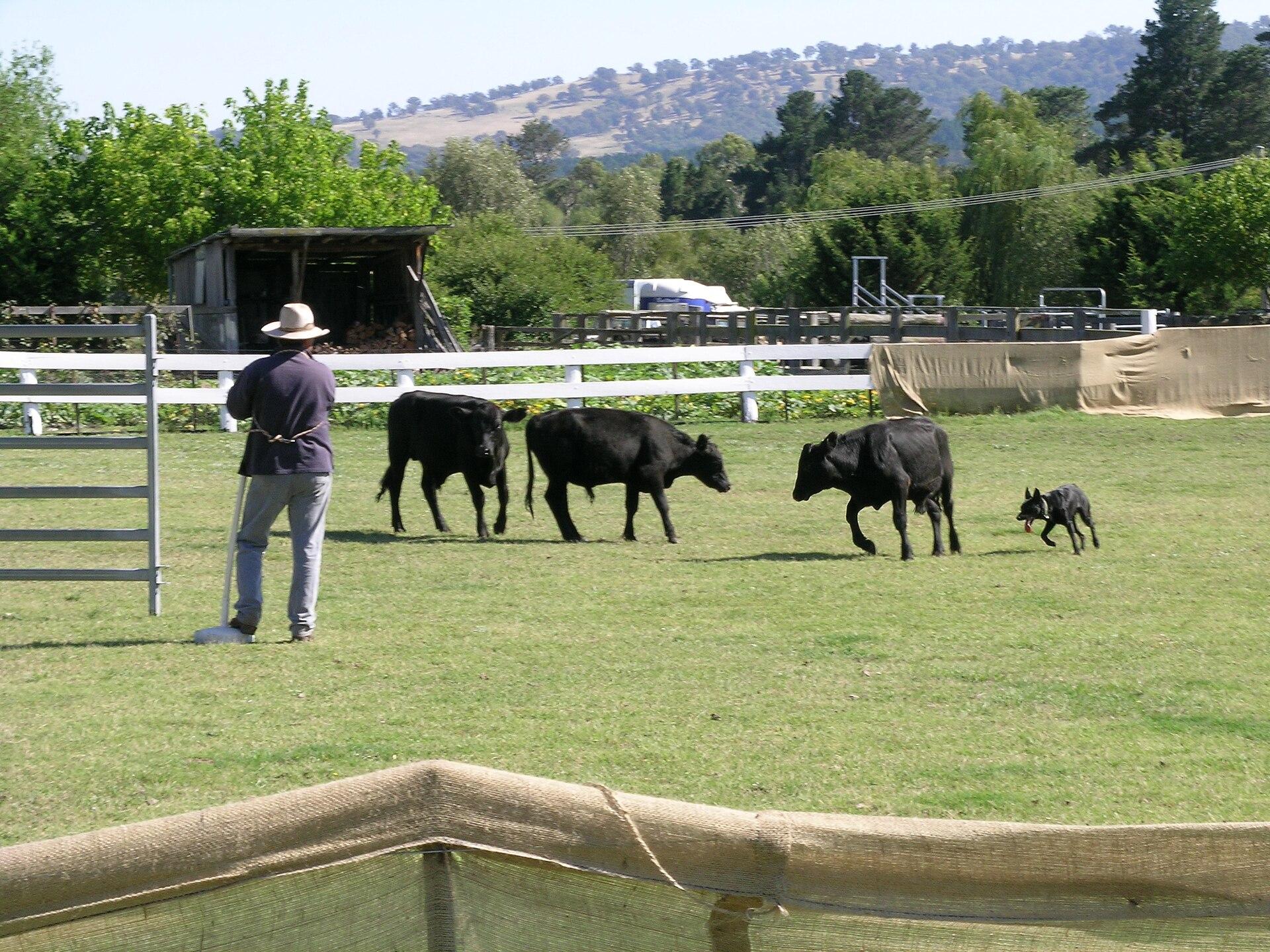
Owners of trial kelpies, campdraft dogs and agility dogs sometimes treat a mid-season hitch as a scheduling problem. It is not. The load is higher, so the cost of missing a disc, a toe, or a biceps problem is higher. Chiropractic for working and sporting dogs is written for that load. It still begins with the veterinarian who already sees the kennel.
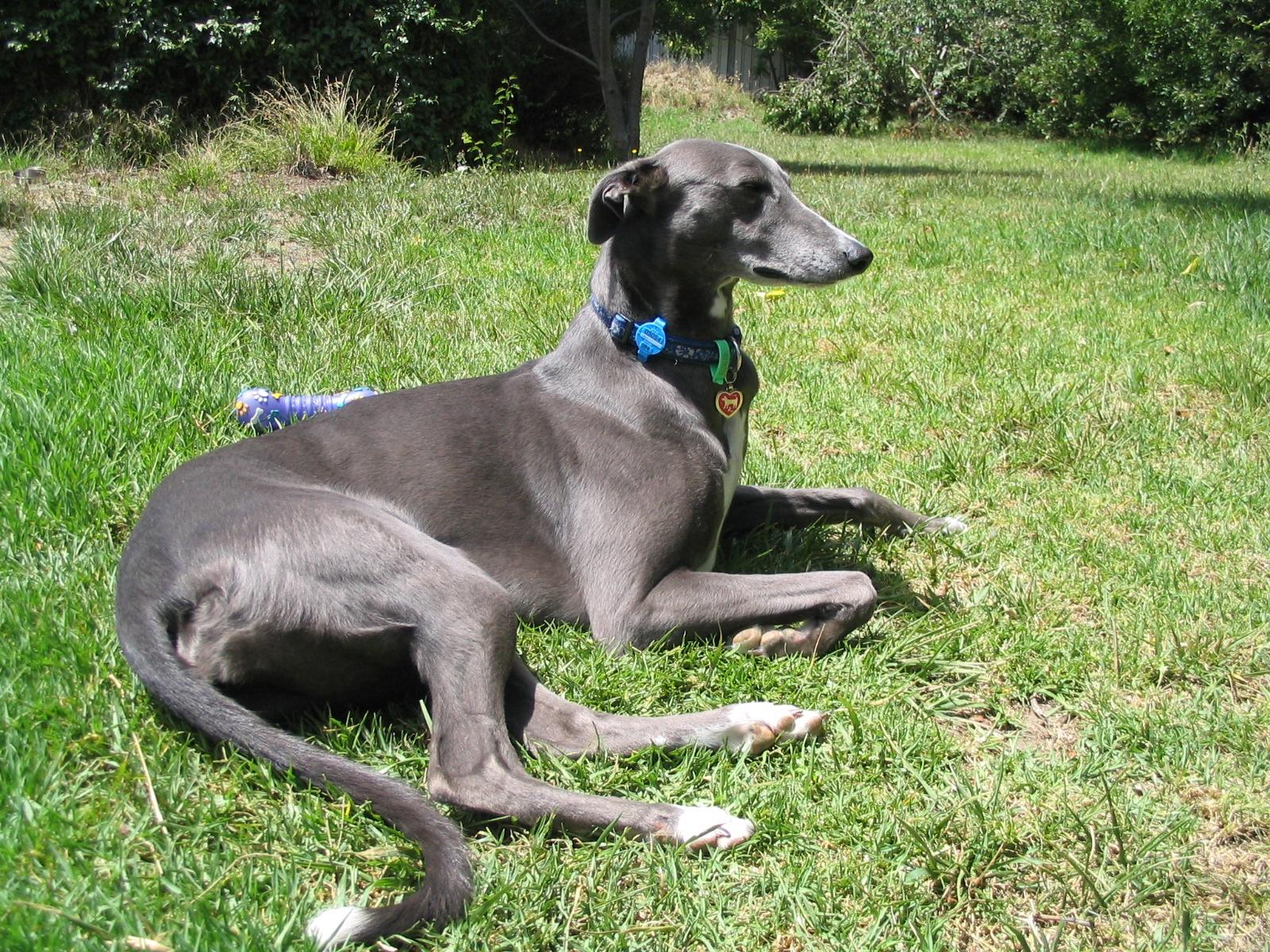
Retired racing greyhounds are a population of their own: long lumbar spines, a history of race injuries, and a second life on a couch in Melbourne or the NSW south coast. Their stiffness is common. Their emergencies look like everyone else’s.
When a musculoskeletal assessment is a reasonable next step
After the veterinarian has examined the dog and, where needed, imaged it, a trained animal chiropractor may be useful for a dog that is stiff rather than acutely lame, a dog whose compensation pattern has outlasted the original injury, or a working dog whose season needs a pair of eyes that watch the spine as well as the feet. The person should be findable through Animal Biomechanical Professionals Australia or through a veterinary referral, not through a weekend certificate and a mobile-phone montage.
How to choose that person is a separate desk: how to find a qualified animal chiropractor in Australia. What to bring on the day is preparing your dog for a visit.
When should I stop watching and just go?
Go now if the dog cannot rise, is in obvious distress, has a neck that it will not move, or has lost control of urine or faeces. Go this week if a limp has lasted more than a few days, if the ute or the steps have become a negotiation, or if a working dog’s pattern has changed mid-season. Do not spend the fortnight shopping for a therapist on Instagram while the dog’s toes start to knuckle.
This journal will not tell you that a missed jump is “just a chiropractic thing.” It will tell you that owners notice useful things, that veterinarians own the diagnosis, and that a musculoskeletal assessment is sometimes the right second appointment — never the first emergency.