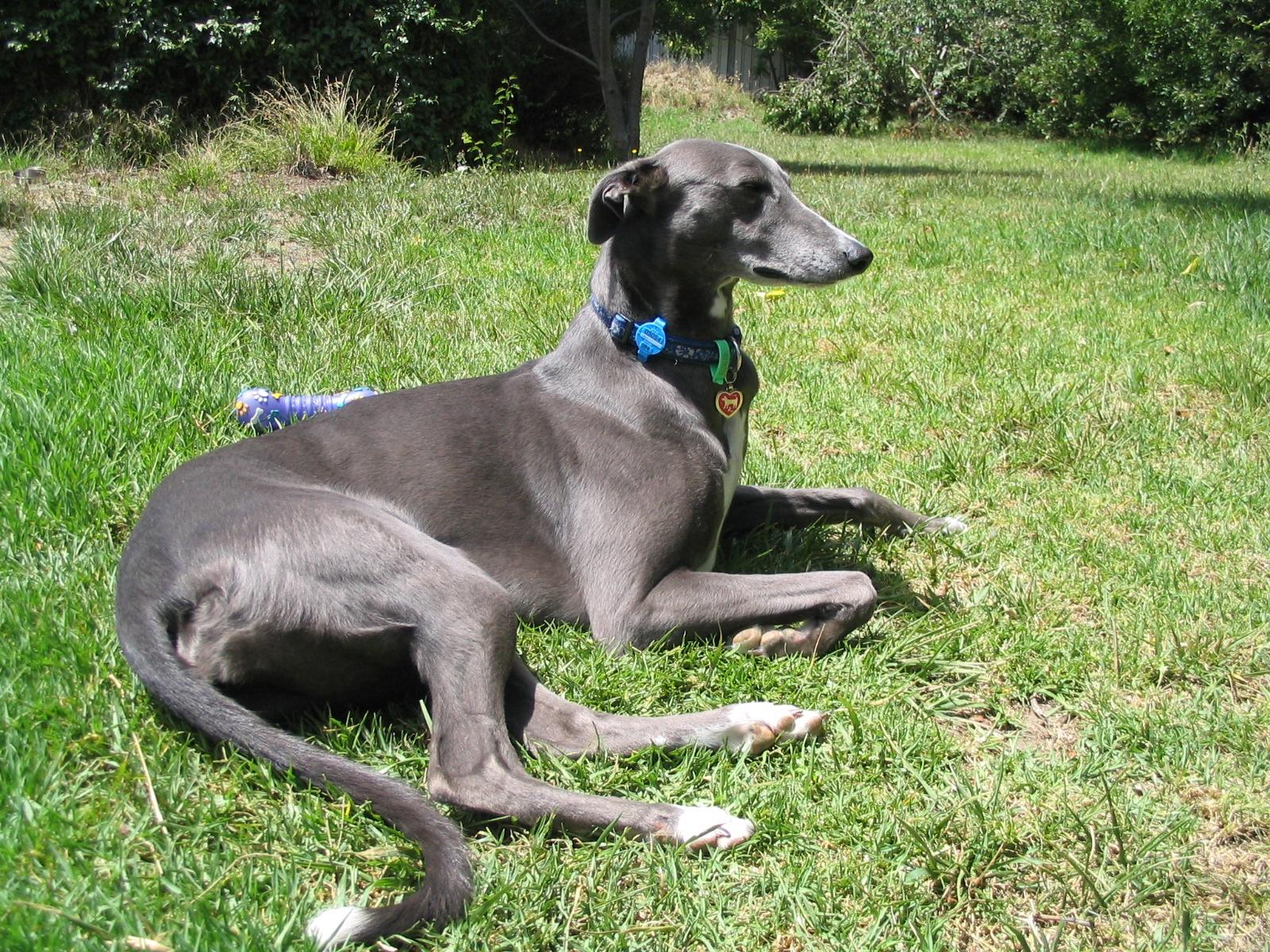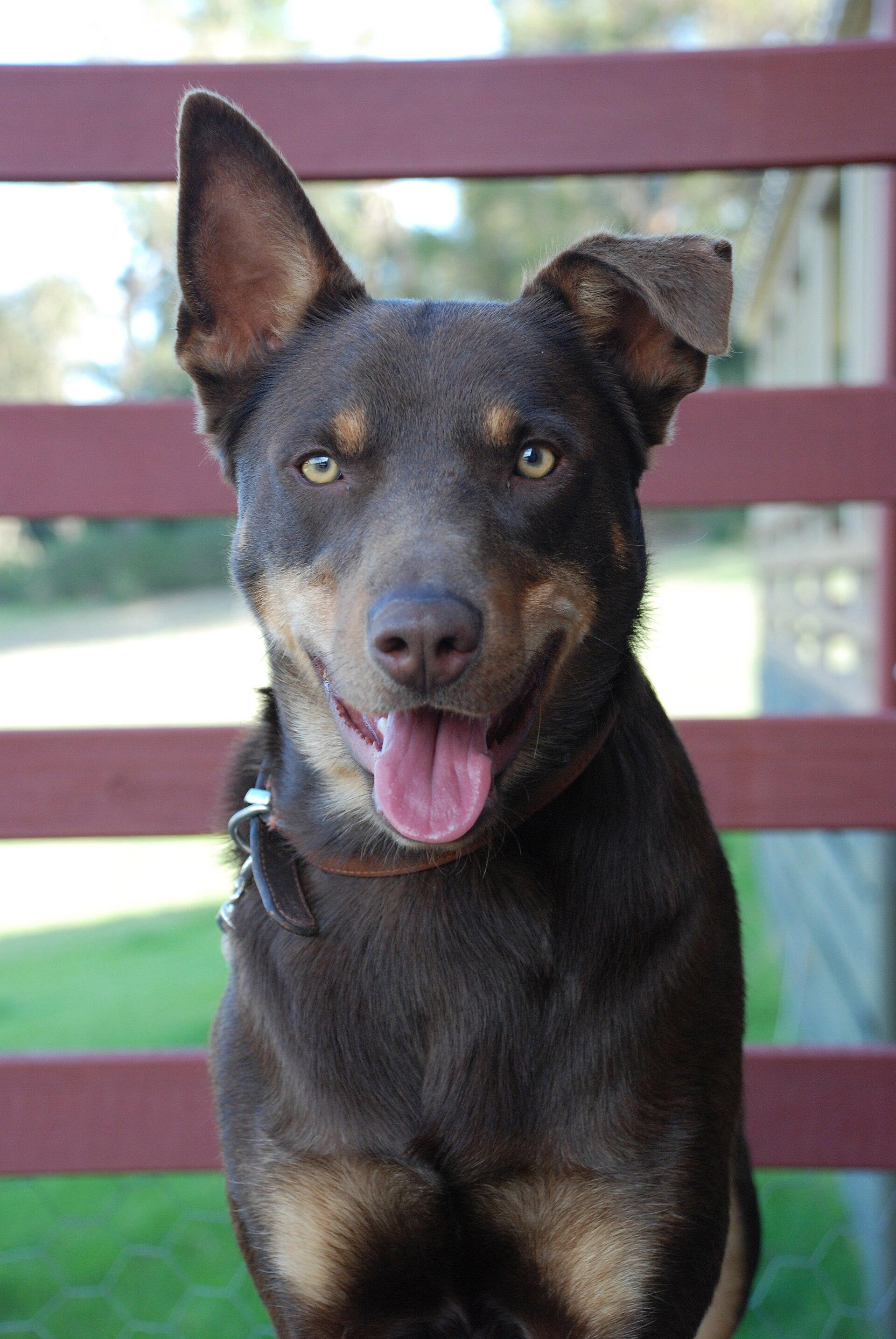
Intervertebral disc disease is the piece we run so nobody treats a surgical spine as a weekend adjustment. The photograph is a working kelpie, because the inbox is not only dachshunds. French bulldogs, beagles, staffies, kelpies and the occasional labrador all appear. The anatomy is a disc that degenerates or explodes, material that takes up space in a narrow canal, a spinal cord or nerve root that does not forgive delay.
Animal chiropractic is a manual assessment of joints and soft tissue. It does not remove disc material. It does not replace a neurologist. It does not earn a place as the first booking when a dog has gone hunched, painful or weak.
What owners see before the words IVDD
A cry when jumping on the sofa. A hunched back, as if the dog is trying to make itself shorter. Reluctance to lower the head or to climb the back steps. Shivering that is not cold. A dog that becomes angry when picked up. Then, if the cord is involved, wobbliness, knuckling, a hind end that will not follow, a tail that goes quiet, a puddle on the floor.
That last cluster is incontinence and spinal pain. Do not finish this essay if you are in that hour. Go.
Neck discs look like neck pain after a collar yank and can follow play, a slip on tiles, or nothing the owner can name. Thoracolumbar discs are the classic dachshund story and the classic “he just yelped in the yard” story.
What the veterinarian and the specialist are deciding
Grade. Pain only, walking but ataxic, not walking, presence or absence of deep pain. Imaging — often referral for MRI or CT, sometimes a myelogram in older protocols. Strict crate rest versus surgery. Bladder care. Analgesia that is actually enough.
Those decisions have a literature. It is a veterinary literature. Time to decompression, when surgery is indicated, is one of the few clocks in small-animal neurology that owners can still affect by not stopping at a Facebook recommendation.
A trained animal chiropractor who understands their lane will say this out loud. The ABPA pathway includes people who have sat through enough neurology to be frightened of the wrong neck. Frightened is the correct affect. The Chiropractic Board does not regulate the animal and does not offer a disc protocol. Veterinary referral and state practice acts is why a non-veterinarian should not be naming this disease as a public diagnosis and then treating it.
Why the chiropractic temptation is so strong
Because the dog’s back is visibly wrong. Because some dogs with pain-only presentations improve on rest, and whatever was done in the same week gets the credit. Because the published evidence for animal chiropractic is already limited, and the subset of that evidence that could ethically include acute IVDD is close to empty — as it should be. You cannot randomise a down dachshund to a driveway adjustment.
Owner stories of a dog that “went down and the chiropractor got him up” are almost always, when you can still find the file, a dog that was not a surgical grade, or a dog that was going to get up, or a story that has lost the veterinary chapter. We will not argue with a person’s memory. We will not build a protocol out of it.
Where adjunctive care may sit later
After rest, after surgery, after the neurologist has said the spine is stable, a dog may be left with a stiff back, a compensatory neck, a life on tiled floors that frighten it. After veterinary surgery, where chiropractic fits is that calendar. Limping, stiffness and compensation is the mechanics. Combining vet care, physio and animal biomechanical medicine is the team.
Veterinary physiotherapy has a stronger post-operative literature than chiropractic. If both are available in Melbourne or Sydney, do not choose on the basis of a domain name. Choose on the basis of the surgeon’s letter.
What should not sit anywhere on the calendar is high-velocity work on a segment the specialist has asked you to leave alone.
Working dogs and the Saturday trial
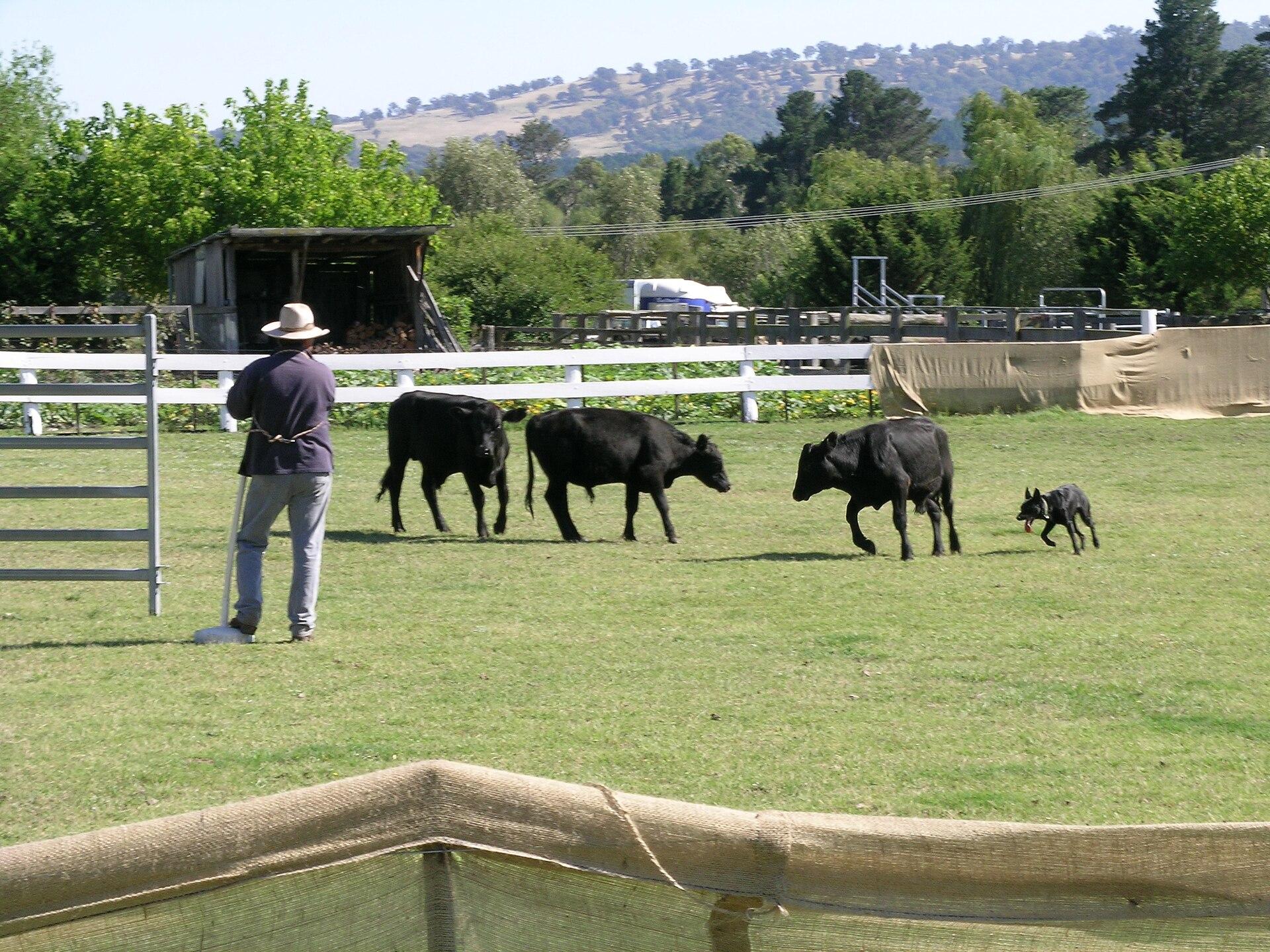
A kelpie that is painful on a Thursday and entered on a Saturday is not a toughness test. It is a spinal-cord test. Chiropractic for working and sporting dogs is about load. It is not an exemption. Scratch.
How much does the right first visit cost?
An emergency consult and, if you are referred, advanced imaging and surgery are the large numbers in this story — often thousands, sometimes more. A musculoskeletal visit at $90 to $180 is not a cheaper disc treatment. It is a different service for a different dog.
How to find a qualified animal chiropractor is a useful page for the dogs that do not have IVDD. For the dogs that might, the qualified person is the veterinarian. The conditions hub will still send you there first.
When should I stop reading and go?
If the dog is hunched and painful. If the hind end is changing. If the floor is wet and the tail is quiet. If a brachycephalic or chondrodystrophic dog has screamed and is now still. If anyone in the house is discussing a chiropractor as the first stop.
This journal writes about animal chiropractic because the domain asks it to. It will not write a tunnel around a disc. The kelpie in the photograph is allowed to be sore from a day’s work. It is not allowed to lose a cord because someone wanted a smaller invoice or a faster Saturday. Start at the clinic. Stay there until someone who can read a scan has said the word you are hoping not to hear, or the word you are.