The history is almost always ordinary. Two dogs collide at a park in Wollongong. A kelpie hits the end of a lead when a wallaby goes through a fence on a Shoalhaven property. A staffy is yanked out of a fight at a servo. A puppy is checked, hard, because it was about to run onto The Princes Highway. The dog screams, then holds its neck as if the head were a bowl it does not want to spill.
Owners search for a chiropractor because the neck is a jointed structure and the word is sitting in the domain. The correct first search is the clinic that already knows the dog, or the emergency clinic if it is after hours. Neck pain after trauma is a veterinary presentation. Manual therapy is adjunctive, and on a neck it is optional at best until someone has decided the spine is stable. This essay lives on the signs and conditions hub for that reason.
What a painful neck looks like at home
The dog will not lower its head to the bowl. It screams when it shakes, or it will not shake. It is unwilling to look to one side. It cries when it is patted at the collar. It stands with the nose slightly up and the back slightly hunched. It may paw at the neck. It may be reluctant to jump into the ute — a sign that also lives on the canine desk for completely different reasons.
Neurological extras change the category: wobbliness, knuckling of the forelimbs, a sudden weakness behind, a head tilt, a nystagmus, a dog that cannot rise. Those extras are an emergency. They overlap with incontinence and spinal pain and with intervertebral disc disease. A French bulldog or a dachshund in this story is a disc until proven otherwise.
Do not put the dog on a table and “see if it cracks.” Do not let a well-meaning person hang the dog by the collar to “stretch it out.” The old Woollamia copy on this domain said there would be no yanking of limbs. A neck is not a limb, and it is not for amateurs.
What the veterinarian is deciding
Is this muscle and joint pain after a wrench, or is this a disc, a fracture, an atlantoaxial instability (toy breeds), a meningitis, or a spinal-cord bruise? The tools are a neurological examination, pain scoring, and, when indicated, radiographs or advanced imaging. Analgesia is not a moral failure. A rest plan is not “doing nothing.”
If the veterinarian is comfortable that the neck is stable and the problem is musculoskeletal, they may mention adjunctive care. That is a different sentence from an owner booking a mobile visit from a Facebook group the same afternoon. Veterinary referral and state practice acts exists because diagnosis is not a hobby.
Signs your dog may need a musculoskeletal assessment is the wider noticing list. Neck trauma is the item on that list that most often should not wait.
Collars, harnesses and the lead rope you actually use
A flat buckle collar is enough identification and, for many dogs, enough restraint. A jerk is still a jerk. Check chains, slip leads used as a correction, and extendable leads that end in a snap are common in the history of this presentation. Working dogs on a property are often on a slip lead because that is what was in the ute. Note it for the veterinarian. Do not turn this paragraph into a holy war about equipment while the dog is still painful.
A harness can reduce neck load for a dog that pulls, or for a dog that has a known cervical problem. It will not treat a disc. It will not replace a lead that someone knows how to hold.
Where a trained animal chiropractor may fit later
Once the veterinarian has examined the dog and, where needed, imaged it, a practitioner on the ABPA pathway may be asked to look at residual stiffness: a neck that is safe but still guarded, a compensatory thoracolumbar bend, a dog that is otherwise well. Technique on a neck should be specific and low-drama. Instrument work is common. Wrestling is not.
What canine chiropractic is is the definition. Preparing your dog for a visit is the handling. How to find a qualified animal chiropractor is the consumer test. The published evidence that cervical manipulation helps dogs after a wrench is limited. A short, reviewed trial is the most the evidence will stretch to.
If the practitioner wants to treat without the veterinary step, or wants the dog off pain relief to “find the restriction,” do not proceed. The restriction may be a disc.
How much does the wrong first booking cost?
A canine musculoskeletal visit is often $90 to $180 on 2025 owner reports. An emergency work-up and imaging is more. The expensive mistake is not the veterinary bill. It is the delayed disc, the worsened pain, or the rare unstable neck that was treated as a weekend adjustment.
When should I stop waiting at home?
Go now if the dog is deteriorating, cannot rise, is neurologically changed, or is in obvious severe pain. Go today if the neck is rigid and the dog will not eat because it will not lower its head. A night of rest and prescribed pain relief, if the veterinarian has already seen the dog and asked for that, is different from a night of hoping.
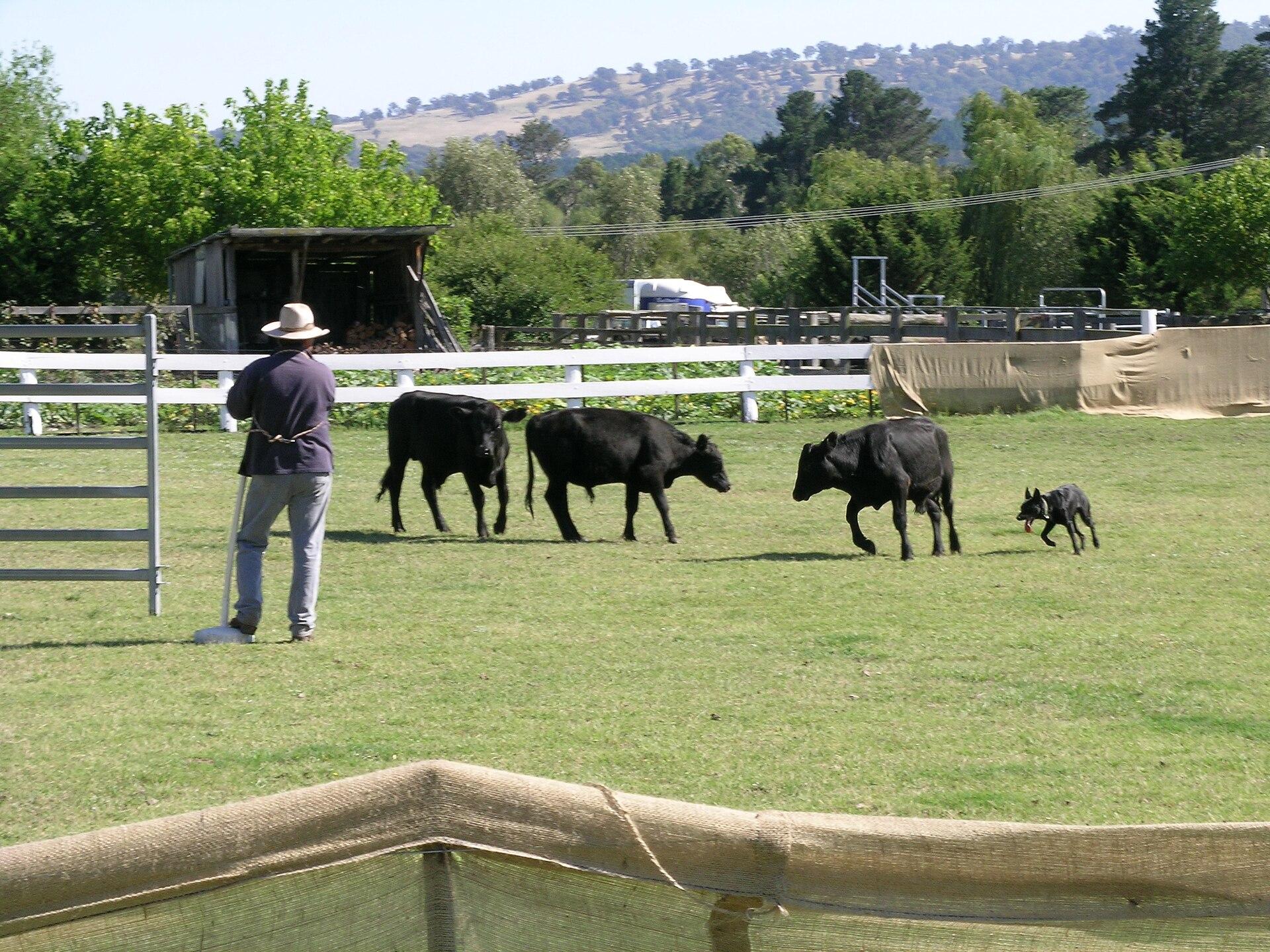
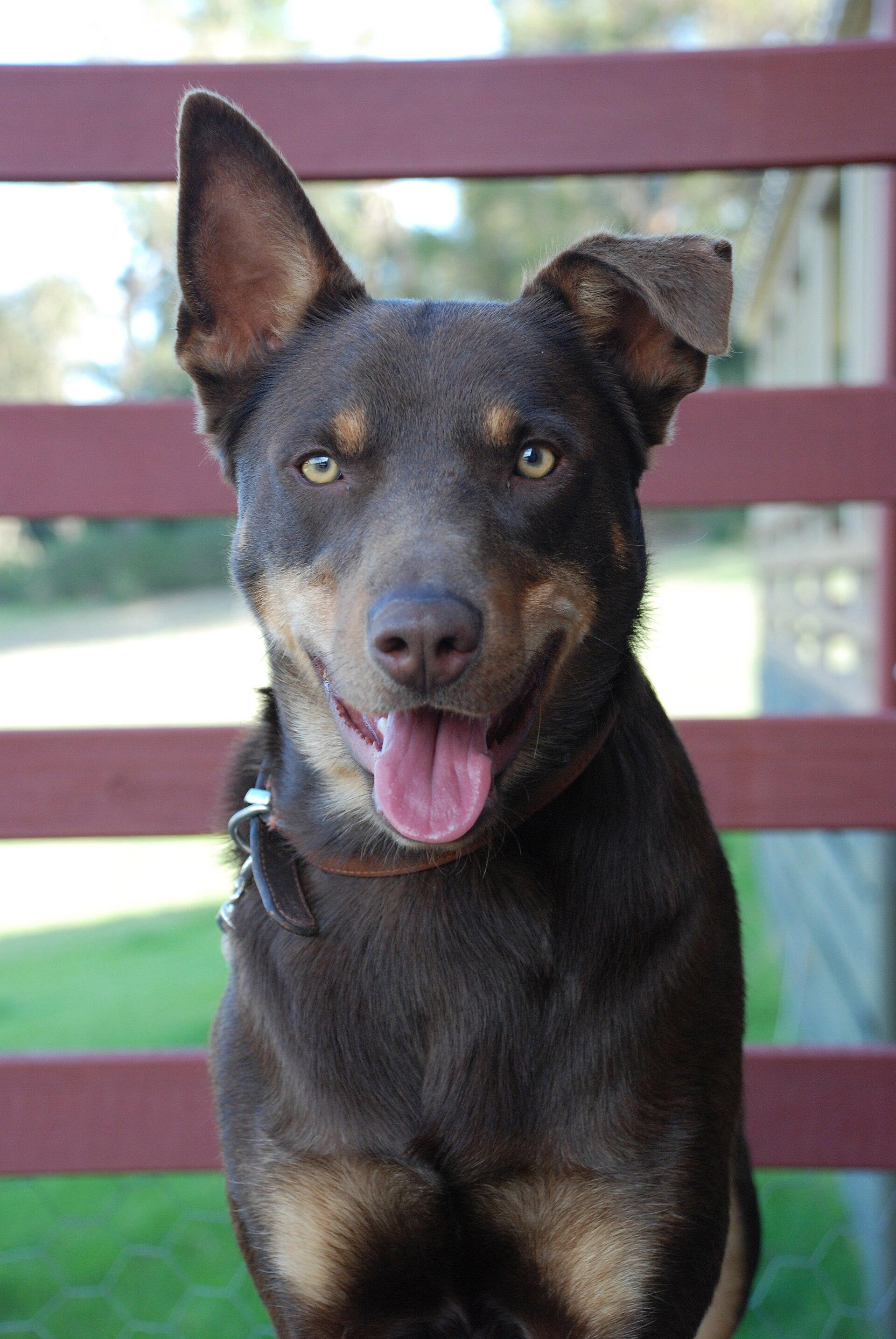
The kelpie in the photograph has a neck that takes the shock of sudden stops for a living. That is not an argument for treating a yanked neck as occupational stiffness. It is an argument for taking the structure seriously. Play and a collar yank are ordinary Australian hours. The clinic is the ordinary Australian answer. Chiropractic, if it appears, appears later, smaller, and only after someone has said the neck is safe.