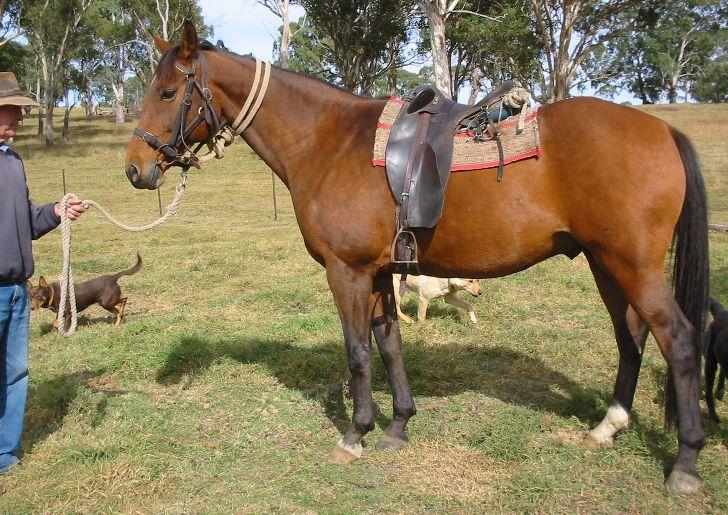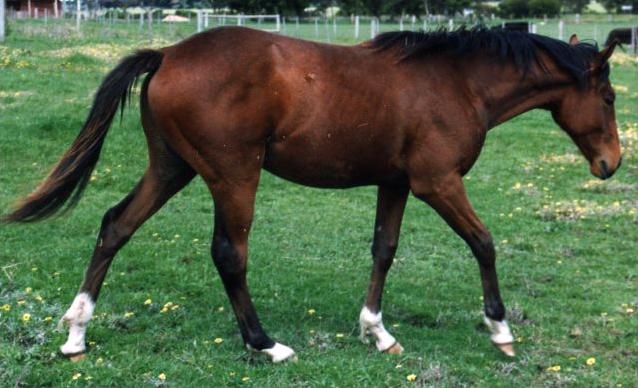
The first brochure on this domain said the obvious thing: a horse’s spine takes sudden and repetitive load the way a person’s does, and owners notice it as a reluctance to pick up a lead, a short stride, or a saddle that will not sit. Lara Rogers’s mobile list — Nowra to Helensburgh — is the shape of most Australian equine work still. The practitioner comes to the horse.
Equine chiropractic is not a dental float, a lameness work-up, or a saddle-fit certificate. It is a hands-on assessment of how the axial skeleton and the poll, wither and sacroiliac regions are moving, after a veterinarian has decided the horse is safe to treat. A horse that is down, ataxic, or suddenly blind in one eye is not a chiropractic case.
Read what equine chiropractic is, then signs a horse needs a biomechanical assessment. The performance essay — racehorses, eventers and dressage — is for riders who already have a regular veterinarian. Cold-backed horses is for the paddock owner who is tired of being told it is “just behaviour.”