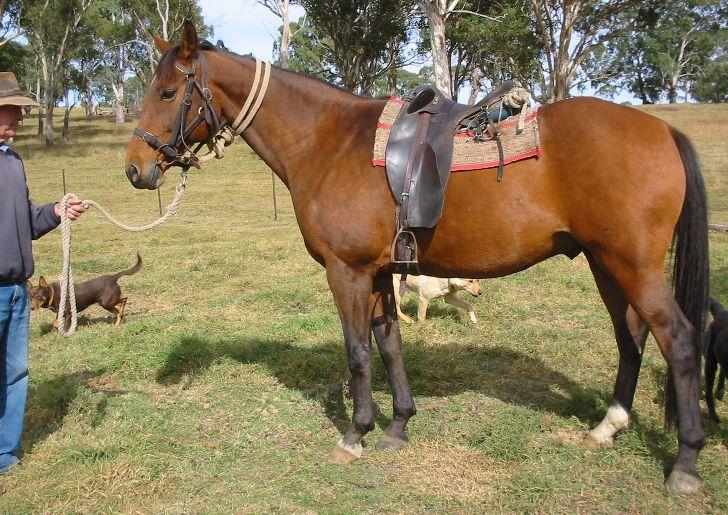
Callala Beach, on the northern shore of Jervis Bay, is a short drive from the old Woollamia room where dogs on this domain were once seen by appointment. The horse work was already a circuit. The field, even then, sat beside other trades. It has become more crowded: veterinary physiotherapists, rehabilitation clinics in the capitals, massage, bodywork, and people who use the word chiropractic with and without a parchment.
Owners now arrive with three plans. This page is about not letting them undo each other. It sits on the owner’s guide because the animal cannot do this administration.
Name the professions
The veterinarian diagnoses, images, prescribes, operates, and decides what rest means. State practice acts are written around that role. Veterinary referral and state practice acts is the statute. Nothing on this page demotes it.
A veterinary physiotherapist — where the title is used carefully — is trained in rehabilitation: exercise, hydrotherapy, soft tissue, a post-operative protocol. The literature behind controlled exercise and hydrotherapy in dogs is thicker than the chiropractic file. In Melbourne, Sydney and Brisbane you can often find one. In a town on the Newell you often cannot.
An animal chiropractor, in the sense this journal will defend, is a veterinarian, chiropractor or osteopath who then completed RMIT animal chiropractic or Box Hill animal biomechanical medicine, and who may be a member of ABPA. What canine chiropractic is and what equine chiropractic is are the job descriptions. The evidence is limited. The work is adjunctive.
Massage and unregulated bodywork can be pleasant. They are not a third medical vote. ABPA membership and unregulated manual therapists is how we keep the nouns.
One question each
The veterinarian’s question is: what is wrong, and what must not be done? The physiotherapist’s question is: how does this animal regain a function without breaking the repair? The animal chiropractor’s question is: what in the axial skeleton and the compensatory chain is worth specific manual treatment once those first two sentences exist?
If all three people think they are answering the first question, you do not have a team. You have an argument. Working with your regular veterinarian is the habit that stops it: letters, not vibes.
A useful file after a TPLO, a kissing-spine work-up, or a season-ending eventing fall looks like this: the surgeon or clinician sets the restrictions; the physio writes the exercise; the musculoskeletal practitioner, if they are invited, works away from the forbidden segment and writes three sentences back. After veterinary surgery and after a fall, vet first are the calendars.
Horses add leather and steel
On a horse the team is larger. Farrier and saddler are not optional colour. Farriers, saddlers and animal chiropractors is the equine version of this essay. A physio who strengthens a hind end on a long-toe foot, and a chiropractor who treats the pelvis that follows it, are both paying rent to a trim that has not happened.
What disagreement should look like
It should look like a phone call. The physiotherapist thinks the back work is too early. The animal chiropractor thinks the exercise is flaring a sacroiliac region. The veterinarian thinks both of them are ignoring the fact that the dog is still on a restricted-walk protocol. Someone changes a plan. The owner is told in one voice.
What it should not look like is a whisper campaign about whose hands are “real,” a request to stop prescribed analgesia, or a package of visits sold as a way around a specialist. The Chiropractic Board FAQ does not appoint a captain. The veterinary act does.
A week that actually works
Monday: the veterinarian rechecks the wound or the lameness and writes the restrictions for the fortnight. Wednesday: the physiotherapist, if you have one, runs the exercise they were asked to run — a lead walk on grass, a sit-to-stand on a mat, a water treadmill in a Melbourne rehab gym — and notes what flared. Friday, or the next circuit day: the animal chiropractor, if they are on the file at all, treats only what the letter left open, and emails both of the others.
That week is dull. Dull is the point. A kelpie coming back from a TPLO in Ballarat and an eventer coming back from a peck at a Gippsland one-day event both do better on dull weeks than on a scramble of unscheduled hands.
What does not work is a Facebook bodyworker on Tuesday, a physio on Wednesday who does not know Tuesday happened, and a chiropractic visit on Thursday sold as a reset. The animal cannot integrate three stories. Neither can the clinic.
How much a combined month costs
A veterinary review, a physio session (often $100 to $200 where it exists, more with hydro), and a chiropractic visit (about $90 to $180 for a dog, $130 to $280 for a horse, plus travel) add up. Informal 2025–26 figures, not quotes. Two adjuncts in the same fortnight should be a decision, not a default. Regional owners, as mobile practitioners notes, often cannot buy all three. Buy the veterinarian, then the one adjunct who answers the named question.
When should I thin the team?
When you cannot say what each person is responsible for. When the animal is worse and nobody owns the review. When two people are treating the same finding in the same week without speaking. When the file has no veterinarian on it at all.
Questions to ask before you book will stop you adding a fourth person from a Facebook thread. How to find a qualified animal chiropractor will stop you adding the wrong third.
Callala is a quiet photograph for a noisy administrative problem. The old Shoalhaven practice on this domain did not have to share the animal with a rehab industry that had not yet arrived. You do. The way to honour the animal is not to collect more hands. It is to make the hands you have write to each other, and to let the clinic that is allowed to diagnose keep the chair at the head of the table.